White Goods Recycle in London
If you need White Goods Recycle in London, you are probably dealing with a bulky appliance that is no longer practical to keep. A broken fridge in a flat, an old freezer taking up space in a basement, a washing machine that has stopped spinning, or a cooker that has reached the end of its life can all become difficult to manage quickly. In a city like London, where access, stairways, parking restrictions, and busy household schedules can make disposal feel complicated, a local appliance recycling service can save time, effort, and stress.
Many London homes and businesses need a practical way to remove and recycle white goods responsibly. Whether you live in a terraced house in South London, a warehouse conversion in East London, a mansion block in West London, or manage a commercial kitchen near the City, the process often needs careful handling. White goods are heavy, awkward to move, and often contain materials that should be collected and processed properly rather than left outside or dumped illegally.
This page is written for local customers who want a straightforward service with real local value. If you are looking for appliance recycling in London, fridge freezer removal, washing machine disposal, or help with multiple bulky items, the right team can arrange collection with the least disruption possible. Contact us today if you are ready to clear space safely and responsibly.
What White Goods Recycling Means for London Customers

White goods recycling is the process of collecting large household appliances and sending them to the right facilities so the materials can be recovered, reused, or disposed of safely. In practical terms, this usually means picking up items such as fridges, freezers, washing machines, tumble dryers, dishwashers, cookers, ovens, and similar appliances from homes, rented properties, offices, hospitality sites, and other premises across London.
For many people, the problem is not just that an appliance is unwanted. It may be too heavy to lift, awkward to carry through narrow hallways, or impossible to fit into a small car. In London, that challenge is even greater because many buildings have basement levels, tight staircases, shared entrances, controlled parking bays, and loading restrictions. A local collection team can plan around those details and remove the appliance without you having to coordinate multiple steps on your own.
Recycling is also important because many white goods contain parts that should be processed separately. Metals, plastics, wiring, glass, refrigerant gases, insulation, and electronic components all need to be managed correctly. When appliances are collected properly, more of the material can be reused and less ends up in general waste streams. That is better for your property, better for the environment, and better for the city as a whole.
Common items collected
- Fridges and fridge freezers
- Chest freezers and upright freezers
- Washing machines and washer dryers
- Tumble dryers
- Dishwashers
- Electric ovens and cookers
- Microwaves and small appliances, where included in the service
- Commercial refrigeration units and back-of-house appliances
Why London Homes and Businesses Need a Local Appliance Collection Service

London presents practical disposal problems that people outside the city do not always think about. Parking is limited, many streets operate with permit systems or loading restrictions, and some properties are accessed through narrow hallways or shared entrances. If you live in a converted townhouse in Islington, a purpose-built block in Wembley, or a top-floor flat in Peckham, moving a heavy appliance can be far harder than it first appears.
Local appliance recycling in London is useful because the collection team understands how the city works. That includes congestion, restricted stopping areas, rush-hour access, basement properties, lift limitations, and the fact that many households need collections arranged around work hours, school runs, or tenant move-outs. For businesses, it can also mean fitting removals into quieter trading periods so operations are not disrupted.
Commercial customers often need white goods collected from restaurants, cafés, hotels, letting agents, landlords, offices, student housing, serviced apartments, and property management sites. Domestic customers may need a single item removed after a kitchen refit or a full set of appliances cleared from a property before sale, tenancy changeover, or refurbishment. A local team is able to deal with both one-off collections and larger appliance clearances.
Typical London scenarios
Household replacement: your old fridge freezer has stopped working and the new one is arriving soon.
End-of-tenancy clearance: several appliances need to be removed quickly for a landlord or managing agent.
Renovation work: a kitchen upgrade means removing dated appliances from the property.
Commercial upgrade: a business is replacing refrigeration or cooking equipment and needs the old units collected.
How the Service Works
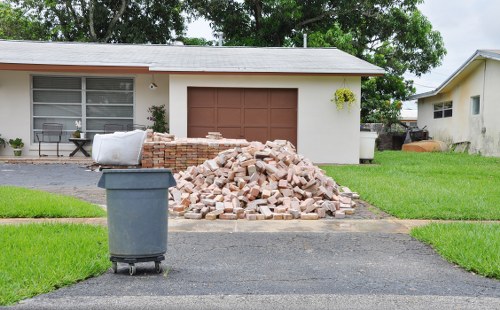
The process should be simple and clear from the start. Good appliance recycling services are designed to make collection easy for the customer while ensuring the items are handled safely. If you request a quote or booking, you will usually be asked for a brief description of the items, the pickup location, and any access details that may affect collection.
Once the service is arranged, the collection team comes to the property at the agreed time window, removes the white goods from inside or outside the premises, and transports them to the appropriate recycling or treatment facility. If appliances are disconnected already, that may make things quicker, but many collections can still be arranged if the item is in place and ready to go. In some cases, extra care is needed around water connections, tight spaces, or multiple flights of stairs.
London customers often appreciate a service that can work around real-life conditions rather than expecting the property to be fully empty or perfectly accessible. Whether the appliance is in a kitchen, utility room, garage, shop floor, basement, or storage area, the aim is to collect it with minimal disruption and leave the area tidy afterwards.
What a typical collection may include
- Arrival at the booked time or agreed window
- Careful removal of appliances from the property
- Loading and transport by the collection team
- Sorting for recycling or appropriate processing
- Responsible handling of materials and components
- Clear communication about any access or item-specific issues
Book your service now if you want a convenient collection arranged around your day.
What Can Be Recycled and Why It Matters
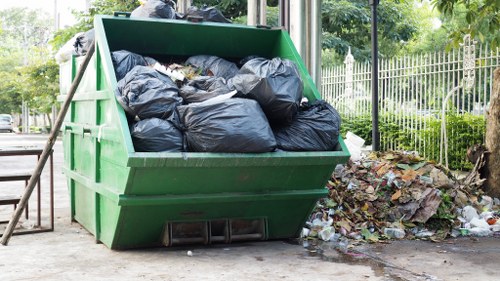
Most white goods contain valuable materials that can be recovered when the appliance reaches a specialist facility. Metals such as steel and aluminium are commonly separated and reused. Plastics, wiring, electronic parts, and glass can also be processed in the right way. In refrigerators and freezers, special attention is needed because of insulation and refrigerant gases, which must be managed correctly to avoid harm to the environment.
That is why it is important not to treat a white goods item like ordinary rubbish. Even if an appliance looks worn out or no longer works, it may still contain components that should not simply be thrown away. Responsible recycling helps reduce landfill use and supports a more efficient material recovery process.
In a busy urban area such as London, illegal dumping and fly-tipping can be a real issue when people are unsure how to get rid of large items. Choosing a proper collection and recycling service helps prevent abandoned appliances on pavements, in alleyways, beside communal bins, or near estate bin stores. It also gives you peace of mind that the item has gone through the proper route.
Benefits of proper recycling
- Less waste sent to landfill
- Safer handling of appliance components
- Recovery of reusable metals and materials
- Reduced risk of illegal dumping
- A cleaner result for homes, landlords, and businesses
Property Types and Access Challenges Across London
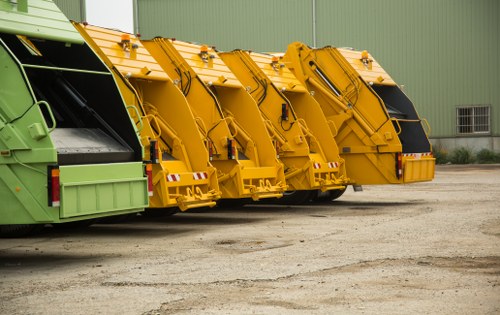
One of the biggest reasons local customers search for white goods recycle in London is access. London properties vary widely, and each one brings different removal considerations. A collection from a ground-floor flat with rear access is very different from taking a fridge down from a fourth-floor apartment with no lift. A local team should understand how to approach each job carefully and efficiently.
Examples of common access challenges include narrow staircases in older terraces, shared hallways in converted houses, parking limitations outside apartment blocks, long walking distances from vehicle to property, and restricted lift sizes in modern developments. Some properties also require coordination with concierge teams, caretakers, or building management before collections can take place. This is common in areas such as Canary Wharf, Stratford, Nine Elms, Croydon, Hammersmith, and many other parts of the city.
For commercial properties, the challenge may be different. Busy service yards, operating kitchens, loading bays, and back entrances all need to be considered. A team with London experience can plan the route from appliance to vehicle and reduce the chances of damage to floors, walls, or communal spaces.
Why local knowledge helps
Local knowledge means the collection team is better prepared for traffic timing, parking options, and building layouts. It also helps when the property is in a busy area such as Camden, Clapham, Hackney, Wimbledon, Brixton, Ealing, Greenwich, or Richmond. The result is usually a smoother collection, less waiting around, and fewer surprises on the day.
Who Uses White Goods Recycling Services in London?
White goods recycling is not just for households replacing a single appliance. In London, many different customers use the service for different reasons. The most common groups include:
- Homeowners clearing out old or broken appliances after upgrades
- Tenants needing help with large items before a move
- Landlords preparing properties for new occupants
- Letting agents arranging appliance removal between tenancies
- Property managers handling multiple flats or communal properties
- Restaurants and cafés replacing kitchen equipment
- Offices and workplaces disposing of fridges and catering appliances
- Developers and refurbishment teams clearing appliances before renovation work
This wide range of customers is one reason a reliable appliance recycling service has to be flexible. The collection process should suit a single-item household job just as well as a larger commercial clearance. It should also be respectful of neighbours, building rules, and any time restrictions that may apply at the property.
If you are unsure whether your appliance can be collected, it is usually best to request a quote and share the item details. That way, you can confirm the right approach before booking and avoid last-minute issues.
What to Prepare Before Collection
Preparing well can help the collection go smoothly. In many cases, customers do not need to do much beyond making sure the item is accessible. However, a few simple steps can make the visit faster and reduce inconvenience, especially in busy London properties where space is tight.
Preparation checklist
- Make sure the appliance is empty of food, laundry, or personal items.
- Disconnect power, water, and gas connections only if it is safe and you are confident to do so.
- Defrost freezers in advance if needed, and wipe away excess water.
- Clear a path from the appliance to the front door or pickup point.
- Move fragile objects, rugs, or obstacles out of the way.
- Check whether there are any building access rules, permits, or concierge requirements.
- Let the service provider know about stairs, lifts, parking limits, or narrow access.
For larger or more complicated items, it is sensible not to try moving the appliance yourself unless you are sure it is safe. Heavy units can cause injuries or damage to floors and walls, especially on stairwells or polished surfaces. A professional collection team is better equipped to manage the weight and awkward shape of white goods.
Request a free quote if you want to check the easiest way to prepare your items for collection.
Pricing Factors for White Goods Collection in London
Customers often want to know what affects the cost of appliance recycling. While exact prices can vary by service provider and job details, a few common factors usually influence the quote. Understanding these points can help you plan ahead and compare services more effectively.
Main pricing factors
- Type of appliance: fridges, freezers, and heavy cookers can require different handling
- Number of items: one appliance is different from a full kitchen clearance
- Access conditions: stairs, lifts, distance to vehicle, and parking availability matter
- Property location: travel time and local congestion can affect scheduling
- Item condition: damaged, leaking, or difficult-to-move units may need extra care
- Disconnection needs: some jobs require added time if appliances are still connected
- Commercial vs domestic: business collections may involve larger or more complex equipment
It is worth remembering that the cheapest option is not always the best if it leaves you with hidden hassle. A good local service should be clear about what is included, what details are needed from you, and whether there are any access or handling considerations before the visit. That clarity helps prevent delays and makes the collection easier to manage.
Why Choose a Local London Company for Appliance Recycling?
Choosing a local provider can make a real difference. London is not a simple one-size-fits-all market. Conditions vary from borough to borough, and even neighbouring streets can differ in parking, access, building layout, and collection timing. A company with local experience is more likely to understand those practical details and work efficiently within them.
Benefits of a local team include:
- Better understanding of London roads and traffic patterns
- More accurate planning for access, parking, and collection timing
- Experience with flats, terraces, mansion blocks, and commercial premises
- Flexible service for domestic and business customers
- Less disruption for neighbours, building staff, and tenants
- Proper handling of bulky appliances and recycling requirements
Local service also matters when you need the job done around a specific date, such as a tenancy handover, kitchen installation, or business refit. A London-based team is more likely to understand the pace of the city and the need to keep things moving without unnecessary delays.
If you want a straightforward collection from a trusted local team, contact us today to discuss your appliance removal needs.
Areas Covered Across London
White goods recycling services are often available across a wide range of London areas, from central neighbourhoods to outer districts. Customers commonly request collections in places such as:
- North London, including areas around Camden, Islington, Tottenham, Enfield, and Finchley
- South London, including Clapham, Brixton, Croydon, Wimbledon, Lewisham, and Peckham
- East London, including Hackney, Stratford, Bow, Walthamstow, and Barking
- West London, including Ealing, Hammersmith, Acton, Hounslow, and Shepherd’s Bush
- Central London, including Westminster, Kensington, Holborn, and the surrounding districts
- Greater London boroughs and nearby residential and commercial areas where access is practical
The exact service area may depend on the provider, the type of collection needed, and the property’s access conditions. If you are outside the central area or your property has special access arrangements, it is still worth asking. Many local teams can accommodate a wide spread of collections as long as the details are clear in advance.
Domestic and commercial coverage
Whether you are in a family home, a rented flat, a new-build apartment, a student house, a retail unit, or a hospitality venue, a local appliance recycling service can often help. This flexibility is especially useful in London, where one postcode can contain a mix of residential and business properties.
Frequently Asked Questions
Can you collect a fridge freezer from a flat with no lift?
Yes, many collections can be arranged from flats with stairs only. It helps if you mention the number of floors, staircase width, and any tight turns when requesting a quote.
Do appliances need to be disconnected before collection?
Not always. Some items can be collected once they are safely unplugged and ready to move, while others may need to be disconnected beforehand. If gas, water, or fixed electrical connections are involved, it is important to follow safe procedures and use a qualified person where necessary.
What happens to the white goods after collection?
They are taken to appropriate facilities where components can be sorted for recycling or specialist treatment. The exact process depends on the type and condition of the appliance.
Can landlords and agents book appliance recycling for multiple properties?
Yes. Many local services work with landlords, agents, and property managers who need collections from several flats or rented homes over time.
Do you take commercial appliances as well as domestic ones?
In many cases, yes. Businesses often need refrigeration units, dishwashers, or cooking equipment removed as part of upgrades or closures. It is best to share the item list in advance so the service can be planned correctly.
How quickly can a collection be arranged?
Availability can vary, but local services are often chosen because they can respond more quickly than a less flexible option. If you need a same-day or next-day collection, mention it when requesting a quote.
When White Goods Recycling Is the Right Choice
There are many situations where recycling an appliance is the sensible next step. Perhaps your fridge is no longer cooling properly, your washing machine has become uneconomical to repair, or your cooker is being replaced during a kitchen refurbishment. In some cases, you may simply need to clear valuable space in a home, garage, storage unit, or business premises.
Recycling is especially sensible when the item is bulky, difficult to move, or no longer safe to use. It is also the right choice if the appliance has been damaged by water, wear and tear, or age. Rather than leaving it in a hallway, basement, garden, or storage space, a proper collection gets it removed and processed correctly.
London customers also use appliance recycling when they want to avoid the hassle of dealing with council collection schedules, multiple trips to a facility, or the challenge of transporting heavy items through busy streets. A local service can turn a difficult job into a manageable one.
Book your service now if you are ready to clear old appliances without the hassle.
Choosing a Service That Feels Straightforward and Reliable
When you are arranging white goods recycle in London, you want a service that feels practical from the first enquiry. Clear communication, realistic timing, and an understanding of local access problems matter just as much as the collection itself. Customers value a team that asks the right questions up front and arrives prepared for the environment they are working in.
Look for a provider that can explain what information is needed, how the job will be handled, and what to expect on the day. It helps if the service is suitable for both one-off domestic collections and larger commercial removals. It also helps if the company understands that London properties are not all the same, and that a polite, careful approach goes a long way in shared buildings and busy neighbourhoods.
If you are comparing your options, focus on practical points such as collection method, flexibility, recycling handling, and the ability to manage difficult access. Those details are what make a local appliance recycling service genuinely useful to customers across the capital.
Ready to clear your appliance?
Contact us today to request a free quote and arrange a collection time that works for your property, your schedule, and your location.