Waste Recycling in London
When people look for waste recycling in London, they are usually trying to solve a practical problem quickly: too much rubbish, not enough space, and a need to deal with materials in a responsible way. Whether you are clearing a flat in Clapham, renovating a townhouse in Islington, managing a shop unit in Shoreditch, or emptying a shared office in Canary Wharf, the right recycling service can save time, reduce stress, and help keep recyclable materials out of landfill.
London creates a wide range of waste every day. Household items, office furniture, packaging, garden cuttings, broken appliances, construction offcuts, and end-of-tenancy clutter all need to be handled carefully. A reliable local recycling service can sort, collect, transport, and direct waste to the appropriate facilities, making disposal easier for residents, landlords, tradespeople, and businesses across the city. If you need a fast, responsible solution, request a free quote and arrange a service that fits the job.
From small domestic clearances to larger commercial recycling needs, the value of a local team lies in knowledge, flexibility, and practical support. London properties often bring challenges such as narrow stairwells, controlled parking zones, timed access windows, and limited storage space for bulky waste. A team familiar with the city can plan around those issues so the collection happens efficiently and with minimal disruption.
Why waste recycling matters for London customers
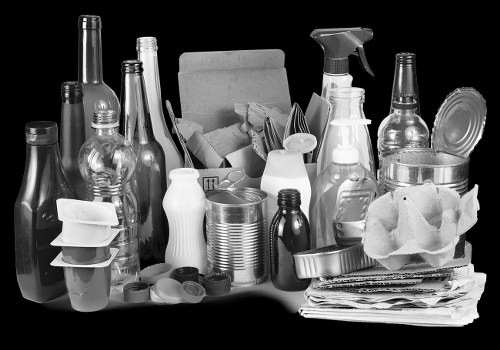
Recycling is more than a box-ticking exercise. In a city as busy and densely populated as London, responsible waste handling helps keep neighbourhoods cleaner, supports reuse, and reduces the pressure on disposal sites. For households, it can mean a clearer home and a simpler way to deal with unwanted items. For commercial customers, it helps maintain a professional premises, supports compliance with waste responsibilities, and keeps operations running smoothly.
Different parts of London produce different recycling needs. A basement flat in Camden may need help removing old furniture through tight corridors. A family house in Walthamstow may need regular recycling support after a refurbishment. A restaurant in Soho may generate cardboard, food packaging, glass, and mixed waste that must be separated properly. In each case, the aim is the same: move items away efficiently and send as much as possible for recycling, recovery, or reuse.
There is also a practical financial benefit. Mixing recyclable items with general rubbish can increase disposal volumes and make collection more complicated than it needs to be. By separating materials where possible and using a team that understands local waste streams, customers often find the process more straightforward and better organised. Book your service now if you want a clean, efficient route from clutter to cleared space.
Our waste recycling services across London

Local customers often need a service that can handle more than one type of material at once. That is especially true in London, where a single property clearance may include furniture, electrical items, packaging, old carpet, broken shelving, and mixed household waste. A flexible recycling service can manage different load types and sort them so recoverable materials are directed away from disposal wherever possible.
Typical services may include:
- Household recycling collections for unwanted items from flats, houses, and shared homes
- Furniture recycling for tables, chairs, wardrobes, sofas, and office desks
- Appliance recycling for fridges, washing machines, microwaves, and other white goods
- Office recycling for filing cabinets, desks, monitors, chairs, and general business clutter
- Builder’s waste recycling for clean rubble, timber, packaging, and renovation offcuts
- Retail recycling for packaging, fixtures, displays, and back-of-house waste
- Garden waste recycling for branches, grass cuttings, soil, and hedge trimmings
What is included depends on the collection type and the materials involved, but a professional service is usually designed to make the process easy from start to finish. That means helping with lifting, loading, sorting, and transport, while keeping the work area tidy and minimising disruption to the property.
For many London properties, the biggest benefit is convenience. You do not need to hire a vehicle, find parking for a van, or make multiple trips to a recycling centre. The team handles the heavy work while you focus on the rest of your day.
How the service works

Customers often want to know what happens once they arrange a collection. The process is normally straightforward, which is one reason local recycling support is so useful. It is designed around busy homes, workplaces, and building sites where time matters and space is limited.
In many cases, the steps look like this:
- Make an enquiry with a description of the items, volume, and location
- Receive a quote or estimate based on the materials, access, and collection requirements
- Choose a convenient time that suits your property or business operations
- Prepare the items if needed, or ask for help with lifting and sorting
- Collection and loading are completed by the team
- Materials are routed to appropriate recycling, reuse, or disposal facilities
This approach is especially helpful in London, where access can change from one postcode to another. A collection from a top-floor flat in Peckham may require different planning from a warehouse clearance in Park Royal or a small office in Holborn. Experienced local teams understand how to work around time restrictions, loading bays, restricted roads, and the practical realities of city property access.
If you need help fast, it is often better to provide a clear description of the waste, photos where possible, and any access details such as floor level, lift availability, or parking restrictions. That helps the service team plan the right vehicle, equipment, and staffing for the job.
Why a local London recycling team is useful
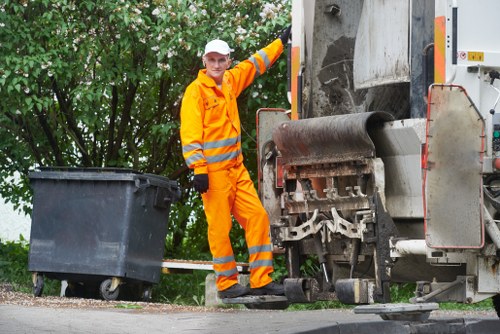
Choosing a local company for waste recycling in London brings advantages that go beyond simple collection. London is not a one-size-fits-all city. Roads, parking rules, building layouts, and local waste streams vary widely between neighbourhoods such as Hackney, Ealing, Southwark, Greenwich, Hammersmith, and Tower Hamlets. A local team is more likely to understand how to work efficiently in these conditions.
Here are some reasons local experience matters:
- Better route planning helps avoid delays in busy or restricted areas
- Knowledge of access issues is useful for flats, estates, and commercial buildings
- Understanding of local property types helps with the right equipment and staffing
- Faster response can be important for urgent clearances or end-of-lease deadlines
- Practical waste sorting helps ensure recyclable materials are handled appropriately
London also has a mix of customers with different priorities. Homeowners may want a discreet collection that keeps disruption to a minimum. Landlords may need fast turnover between tenancies. Tradespeople may need repeated collections during refurbishments. Businesses may need dependable service that does not interfere with opening hours. A local recycling team can adapt to those needs without making the process complicated.
That flexibility is especially helpful for buildings with no easy parking, shared entrances, or limited loading space. If you have ever tried to move a bulky sofa down a narrow staircase in a Victorian conversion, you already know why professional support can make a real difference.
What we recycle and sort

Effective recycling starts with knowing what can be separated, recovered, or sent for specialist handling. Different materials need different treatment, and a responsible service will aim to divert as much as possible from general disposal. That is useful for both domestic and commercial customers who want a cleaner, more organised way to clear unwanted items.
Common recyclable or recoverable materials include:
- Metals such as steel, aluminium, and mixed scrap
- Wood from furniture, shelving, pallets, and clean offcuts
- Cardboard and paper from packaging, office waste, and retail stock
- Plastics from containers, wrap, and some fixtures
- Electrical items that require separate handling
- Textiles such as clothing, curtains, and fabric offcuts where suitable
- Green waste including branches, clippings, and garden debris
Some items need special attention. Fridges, freezers, screens, batteries, paints, chemicals, and other controlled materials should not be mixed with standard waste. If you are unsure about what can be included, ask before collection so the job can be planned safely and correctly. That is particularly important for commercial premises and refurbishment projects where mixed waste is common.
Need a clear-out handled properly? Contact us today to discuss the items you have, and arrange a collection that suits your property, schedule, and waste type.
Waste recycling in London for homes, landlords, and tenants
Domestic recycling support is often about making a difficult job easy. People may need help after a spring clean, a bereavement clearance, a move, a renovation, or the end of a tenancy. London homes are often compact, which means waste can build up quickly and become difficult to manage without extra help.
For tenants, a recycling collection can be useful before checkout day when there is furniture to remove, broken items to dispose of, and leftover clutter to sort. For landlords and letting agents, it can help restore a property between occupancies without delaying the next tenant. For homeowners, it can be a practical way to remove items from lofts, garages, basements, sheds, and spare rooms that have filled up over time.
Household customers often value discretion, speed, and careful handling. If access is awkward, a team can work around staircases, communal halls, front steps, and restricted parking. That matters in areas like Battersea, Fulham, Stratford, or Brixton, where property types vary widely and access can be tight.
Common domestic reasons to book
- Clearing bulky items before a move
- Removing unwanted furniture after redecorating
- Sorting waste after a bathroom or kitchen update
- Dealing with accumulated items in storage spaces
- Preparing a rental property for inspection or new occupants
If you are planning a home project, it is often worth arranging recycling support before the clutter takes over. That keeps hallways clear, makes decorating easier, and reduces the chance of items being left behind because they are too large to handle alone.
Commercial waste recycling for London businesses
Businesses in London face a different kind of pressure. Space is limited, customers are often on-site, and waste can build quickly behind the scenes. Offices, shops, hospitality venues, studios, warehouses, and managed buildings all benefit from a recycling service that keeps operations moving while handling waste responsibly.
Commercial customers may need help with one-off clearances or repeat collections. A one-time office changeover may produce desks, chairs, monitors, storage units, packaging, and paper waste. A retail refit may generate display fittings, shelving, cardboard, and broken fixtures. Hospitality businesses may need a dependable way to remove back-of-house clutter without disrupting service hours.
For business customers, reliability matters. Timed collections, clear communication, and an understanding of loading access are often just as important as the recycling itself. In busy parts of London such as the City, Westminster, King’s Cross, and Liverpool Street, the ability to collect at the right time can make the service far more practical.
Typical commercial collection needs
- Office furniture and equipment removal
- Shop refits and display clearance
- Restaurant and café back-of-house waste
- Light warehouse and stockroom clearances
- Managed building recycling support
- Refurbishment waste from contractors and trades
Many businesses also look for a service that can handle mixed loads in a single visit. That can be especially useful when old furniture, packaging, and renovation waste all need to be removed at once. Instead of arranging several separate disposals, one organised collection can simplify the whole process.
Areas covered across London
London is broad, varied, and constantly moving. A good recycling service should be comfortable working across central, east, west, north, and south London, as well as the surrounding boroughs and neighbourhoods. This matters because local access challenges and waste needs can change from one area to the next.
Areas commonly covered may include, but are not limited to:
- Central London: Westminster, Holborn, Covent Garden, the City
- North London: Camden, Islington, Haringey, Barnet
- East London: Hackney, Tower Hamlets, Newham, Barking and Dagenham
- South London: Lambeth, Southwark, Lewisham, Croydon
- West London: Ealing, Hammersmith, Fulham, Kensington and Chelsea
- Outer areas and nearby districts where collections are practical and scheduled in advance
Different boroughs can mean different collection conditions. Some streets have tight parking controls, some estates have internal access routes, and some commercial zones require precise timing. A local service familiar with London’s layout can plan accordingly and reduce delays. That makes the whole process smoother for the customer and more efficient for the team.
What affects pricing for recycling collections
Many customers ask what influences the cost of a recycling collection. While exact pricing depends on the job, it is useful to understand the main factors so you know what to expect when requesting a quote. This helps you compare options and prepare the right information in advance.
Common pricing factors
- Volume of waste and the amount of space it takes up
- Type of material, especially if special handling is needed
- Access conditions such as stairs, lifts, distance from the vehicle, or parking restrictions
- Labour required for lifting, dismantling, or carrying items
- Urgency or whether the job needs to be scheduled quickly
- Location and timing if there are specific access windows or loading constraints
London properties often have access details that affect the job more than people expect. A collection from a ground-floor office with easy loading may be simpler than removing the same volume from a fourth-floor flat with no lift. Providing accurate details from the start helps avoid surprises and makes it easier to offer a fair estimate.
For the best quote, try to mention item types, approximate quantity, floor level, and whether parking is available nearby. If the waste includes mixed materials, let the team know so they can plan proper sorting and handling.
How to prepare for your collection
Preparation is simple, but a little planning can make the service smoother. If you are arranging waste recycling in London for a home, office, or building project, use the checklist below to get ready.
Preparation checklist
- Sort items into categories where possible
- Separate anything you want to keep from items to be removed
- Make access clear to stairs, lifts, basements, or rear entrances
- Check whether parking or loading space is available nearby
- Move small loose items together if you are able to do so safely
- Tell the team about heavy, awkward, or fragile items
- Let the service know about any time restrictions at the property
If lifting items is difficult, do not worry about trying to do everything yourself. A professional recycling service is there to help with the parts that are hard to manage alone. That is especially useful for older buildings, upper-floor flats, and properties with narrow internal routes.
Good preparation can speed up the collection and reduce disruption. It also helps the team recycle more efficiently because the load can be sorted and handled with the right plan in mind.
What makes a reliable service stand out
Customers want more than someone who simply turns up with a vehicle. They want a service that is organised, respectful of the property, and able to deal with the realities of London life. Whether the collection is for a home, office, or commercial site, these qualities matter.
Look for a team that is:
- Clear and responsive when discussing the job
- Practical about access, timing, and item handling
- Careful with walls, floors, and shared areas
- Flexible for domestic and commercial needs
- Focused on responsible sorting rather than treating all waste the same
In London, these details can make all the difference. A service that understands estate layouts, townhouses, managed office buildings, and retail units is better placed to complete the work neatly and on time. It is not just about taking things away; it is about doing it in a way that suits the property and the people using it.
Helpful customer tip
If you have a mixed load, list the main items first. That makes it easier to work out what can be recycled, what needs special handling, and what kind of collection is most suitable. A few clear photos can also help if you want a faster response to your enquiry.
Frequently asked questions
Below are some common questions from London customers looking for waste recycling support. If your situation is unusual, it is still worth asking before booking so the service can be tailored properly.
Can you collect from flats and upper floors?
Yes, collections from flats and upper floors are common in London. Access details such as stairs, lifts, communal corridors, and parking availability should be shared in advance so the job can be planned properly.
Do I need to sort everything before collection?
Basic sorting helps, but it is not always necessary to separate every item yourself. Many services can handle mixed loads and sort materials as part of the process. However, separating obvious recyclables and setting aside anything you want to keep will make things easier.
Can you help with bulky items?
Yes, bulky waste is one of the most common reasons customers book a collection. Sofas, wardrobes, beds, cabinets, desks, and large appliances can usually be handled, though access and item type may affect the arrangement.
What happens to the waste after collection?
Collected waste is typically sorted and directed to the appropriate recycling, reuse, or disposal route depending on the material. Recyclable items are separated where possible, while specialist items are handled in line with their requirements.
Do you work with businesses as well as households?
Yes. Residential and commercial customers both use recycling collections in London. Offices, shops, landlords, tradespeople, and property managers often need tailored support for mixed waste, furniture removal, and clearance jobs.
How much notice do I need to give?
This depends on availability and the size of the job. For urgent collections or time-sensitive clearances, it is best to enquire as early as possible so a suitable slot can be arranged.
Choose a practical local recycling solution
For many London customers, the main benefit of a local service is simple: it removes the hassle from recycling and waste disposal. Instead of worrying about transport, sorting, carrying, and where the items should go, you can hand the job over to a team that deals with it every day.
That is valuable whether you are clearing one room or coordinating a larger project. It saves time, keeps properties tidy, and helps ensure waste is handled responsibly. It also gives you one clear point of action when clutter starts to get in the way of a move, refurbishment, or daily business operations.
Ready to move forward? Contact us today to discuss your collection needs, request a free quote, and book a service that works for your London property or business. If you want a straightforward answer and a practical solution, we are ready to help.
From residential clearances in inner borough flats to commercial recycling support in busy business districts, waste recycling in London is about making the process easier, cleaner, and more responsible. When you need dependable help with unwanted items, local knowledge and flexible service can make the difference between a stressful task and a smooth collection.
Whatever the size of the job, the aim is the same: remove waste efficiently, recycle as much as possible, and leave you with a clearer space. Book your service now and take the first step toward a simpler, better-organised clearance.