Recycling and Rubbish in London
If you are dealing with overflowing bins, bulky waste, mixed recycling, or a property clear-out, finding a practical solution for recycling and rubbish in London can save time, reduce stress, and keep your home or business running smoothly. London is a city of flats, terraced homes, converted buildings, shopfronts, offices, restaurants, construction sites, and busy communal spaces — and each one creates different waste challenges. The right service should make it easier to sort, collect, and dispose of waste responsibly, without disrupting your day or leaving you unsure about what happens next.
Whether you are in a compact apartment near a station, a family house in a residential street, or a commercial unit with limited loading access, local rubbish and recycling support can be arranged around the realities of life in the capital. The focus is not just on taking waste away, but on doing it in a way that is convenient, compliant, and considerate of neighbours, building rules, and council requirements. Contact us today if you need a fast, dependable way to clear rubbish and manage recyclable materials across London.
For many people, the hardest part is knowing what can be recycled, what needs separate handling, and what should be removed as general waste. London properties often have shared bins, narrow stairwells, parking restrictions, permit zones, and limited lift access, which can make disposal far more complicated than it first appears. A good local service should help you navigate those issues clearly, so you can get back to normal as quickly as possible.
Why recycling and rubbish services matter in London
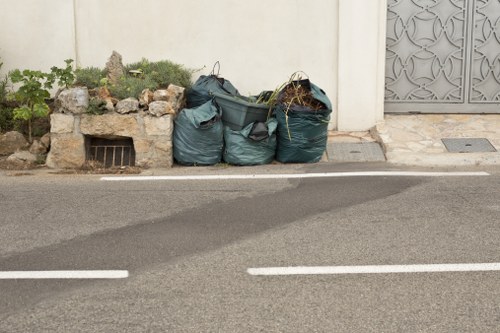
London generates waste from every kind of setting you can think of: household decluttering, office moves, restaurant packaging, shop refits, end-of-tenancy clearances, and renovation projects. In a city this busy, waiting for the next council collection is not always practical, especially when items are bulky, heavy, awkward, or mixed with recyclable materials that need sorting. That is where a local collection service becomes valuable, offering a straightforward way to clear space and handle waste properly.
Another reason these services matter is the sheer variety of property types across the city. A basement flat in Islington, a top-floor flat in Clapham, a Victorian terrace in Peckham, or a small office in Shoreditch each comes with different access issues. Some buildings have shared entrances and strict time windows, while others have no nearby parking or loading bay. Local teams understand those conditions and can plan collections in a way that suits the area and the building.
There is also an environmental reason to take waste handling seriously. Recycling and rubbish in London should not mean everything goes into one load and is forgotten. Many household and commercial materials can be separated for responsible recycling or reuse, helping reduce the amount sent to landfill and supporting better resource recovery. When waste is handled properly, it benefits not only the property owner but also the wider community.
What a local rubbish and recycling service can help with

Local services are often used for jobs that are too large, too heavy, or too inconvenient for standard bin collections. This can include single-item removals, full room clearances, or regular waste support for businesses. The best part is that the service can be tailored to your situation rather than forced into a one-size-fits-all approach.
Common requests include:
- Household rubbish collection after decluttering or moving home
- Recycling removal for cardboard, plastics, metals, and mixed recyclables
- Furniture disposal, including sofas, wardrobes, desks, and beds
- Appliance removal such as fridges, freezers, washing machines, and microwaves
- Office rubbish clearance for paper, packaging, fixtures, and old equipment
- Shop and retail waste removal, especially after refits or stock changes
- Garden waste and outdoor clutter from patios, yards, and small outdoor spaces
- End-of-tenancy clearances for landlords, tenants, and letting agents
- Building waste from light refurbishments and strip-outs
Many customers appreciate that a local team can handle mixed loads. If you have a combination of recyclable items and general rubbish, it is often easier to have everything assessed together so the waste is separated correctly. This is especially useful when clearing lofts, garages, basements, and storage units, where items tend to be piled together over time.
How the service works
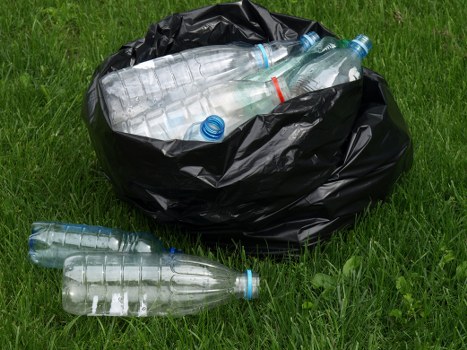
The process is designed to be simple and practical for busy London customers. In most cases, it starts with a description of the waste you need removed, along with details about access, timing, and location. Because parking and loading arrangements can be a challenge in many parts of London, it helps to be clear about whether the property is on a main road, in a mews, inside a gated development, or on a restricted-access street.
Once the waste type and volume are understood, the collection can be arranged around your schedule. This is useful for residents who need a same-day or next-day solution, as well as businesses that must avoid interrupting trading hours. Many clients also ask for help at specific times to work around building management rules, lift bookings, school runs, or delivery windows.
On collection day, the team removes the waste from the agreed location and loads it safely. For many customers, this is the most important part of the service because it removes the need to carry heavy bags down stairs, manoeuvre bulky items through tight hallways, or find space in a vehicle. After removal, recyclable materials can be separated and processed appropriately, while non-recyclable rubbish is handled in line with current requirements.
Helpful for residential and commercial customers
One of the main strengths of a local service is flexibility. Homeowners, tenants, landlords, facilities managers, shop owners, and contractors all have different needs. A flat in Camden might only need a few bulky items removed, while a café in Hackney may need regular collection of packaging and back-of-house waste. An office near the City could require a tidy clearance before a move, while a renovation project in Fulham may produce a mix of rubble, timber, and packaging.
Residential customers often want quick help after a clear-out, move, bereavement, or refurbishment. Commercial customers usually need a service that is discreet, reliable, and able to work within opening hours or site rules. In both cases, a local approach is useful because it understands the pace and pressure of London property management. Book your service now if you need rubbish removed without the hassle of organising transport, loading, or disposal yourself.
For landlords and agents, proper rubbish and recycling support is especially important at the end of a tenancy. Left-behind furniture, bin bags, food waste, packaging, and old appliances can hold up cleaning, repairs, and re-letting. A prompt clearance helps prepare the property for the next occupant and reduces delays in turnover.
What is included in recycling and rubbish collection

Customers often want to know exactly what they are paying for and what the service covers. While every job is different, a typical collection may include loading, removal, basic sorting, and responsible disposal of the waste. The aim is to make the process easy for you while handling materials properly once they leave the property.
A standard rubbish and recycling collection may include:
- Assessment of the waste type and access conditions
- Collection from inside the property, outside the property, or a designated loading point where agreed
- Removal of bulky items, bagged rubbish, and recyclable materials
- Separation of items that can be recycled or reused where possible
- Transport and disposal through appropriate waste channels
- Careful handling in buildings with stairs, narrow corridors, or shared entrances
Depending on the service arrangement, there may also be support for light dismantling of bulky items, such as taking apart wardrobes, breaking down shelving, or separating flat-pack furniture. That can be especially useful in London flats where large items will not easily fit through the doorway unless they are reduced in size first.
Types of waste commonly collected
General household rubbish, mixed recycling, old furniture, white goods, packaging, textiles, office waste, and light construction debris are all common. Some items require special handling, and the service should always be clear about what can and cannot be taken as part of the collection. If you are unsure whether your waste includes restricted or unusual materials, it is best to mention this upfront so the collection can be planned correctly.
Why local knowledge makes a difference

London is not a single type of place; it is a network of neighbourhoods with different road layouts, parking controls, property styles, and access rules. A local rubbish removal team that works across areas such as Westminster, Southwark, Hammersmith, Ealing, Waltham Forest, Lewisham, and Brent is better placed to plan collections efficiently because it understands the practical realities of the city.
Local knowledge matters when dealing with permit zones, red routes, busy high streets, restricted loading times, estate access, and shared courtyards. It also matters in residential blocks where waste has to be moved quietly and respectfully to avoid disturbing neighbours. In some streets, the difference between a smooth collection and a frustrating one is simply whether the team knows how to work around the local conditions.
For customers, that means less time explaining the same access issues and more confidence that the job will go ahead sensibly. It also means collections can often be scheduled more efficiently, which is useful when you are trying to get a property ready for cleaning, redecoration, or a handover. A well-organised service should reduce disruption rather than add to it.
Areas covered across London
Waste needs do not stay in one part of the city, and neither should practical recycling support. A service that covers London broadly can help customers in central, north, south, east, and west areas, as well as outer boroughs where parking and access arrangements can be just as challenging. From compact city flats to larger suburban homes and trading premises, the same need applies: fast, reliable removal of rubbish and recyclable materials.
Areas commonly served include, but are not limited to:
- Central London locations such as Westminster, Holborn, Fitzrovia, and the City
- North London neighbourhoods such as Camden, Islington, Haringey, and Barnet
- East London areas such as Hackney, Tower Hamlets, Newham, and Waltham Forest
- South London locations such as Lambeth, Southwark, Lewisham, Croydon, and Clapham
- West London areas such as Hammersmith, Ealing, Kensington, Fulham, and Brent
- Outer boroughs and mixed residential-commercial districts where collections are still needed regularly
Because London properties vary so much, it is useful to choose a service that does not assume every job is the same. A one-bed flat in a mansion block will have different needs from a warehouse unit, a townhouse, or a retail premises. The best service is one that responds to those differences clearly and practically.
Preparing for your collection
A little preparation can make the collection quicker, safer, and more efficient. You do not need to do everything yourself, but there are a few simple steps that help the team work smoothly and avoid delays.
- Separate obvious recycling from general rubbish where possible.
- Point out any items that may need special handling.
- Make sure access routes are clear, especially in hallways, stairwells, and communal areas.
- If parking or permits are needed, note any restrictions in advance.
- Let the team know about heavy items, fragile items, or anything that requires dismantling.
- Keep children and pets away from the collection area while loading is taking place.
- If you are in a managed building, check whether concierge or building permission is required.
In busy parts of London, a small amount of planning can make a big difference. If you are in a flat above a shop, a mews house with limited access, or a block with narrow communal corridors, it helps to explain those conditions before the collection day. That way, the service can arrive prepared and avoid surprises.
Request a free quote once you know what needs removing, and mention any access concerns so the collection can be arranged with the right resources in mind.
Pricing factors customers should understand
Because waste jobs vary widely, it is normal for pricing to depend on the details of the collection. Rather than looking for a fixed figure online, most customers benefit from understanding what affects the cost so they can compare services fairly and avoid confusion later. Transparent pricing should reflect the actual work involved, not just the size of the pile.
Common pricing factors include:
- Volume of rubbish or recycling to be removed
- Type of waste, especially if it needs special handling
- Accessibility of the property, including stairs, lifts, and distance from parking
- Whether items are bulky, heavy, or require dismantling
- Time of collection and how quickly it needs to be arranged
- Any restrictions on loading, permits, or site access
- The mix of waste categories, such as household rubbish, recyclable materials, and light construction debris
It is sensible to provide as much detail as you can when requesting a quote. Photos can help in many cases, but even a written description is useful if you list the main items and mention the property type. The more accurate the information, the easier it is to arrange a collection that matches your needs.
How to avoid unnecessary delays or extra effort
Customers can often save time by grouping similar items together, removing personal belongings before collection, and ensuring the waste is accessible. If items are inside a loft, cellar, rear garden, or locked storage area, it helps to confirm that access in advance. This is particularly useful in London, where shared ownership, concierge systems, and controlled entry can affect timings.
Why choose a local company for rubbish and recycling in London
A local company is often better suited to London conditions because it knows the city’s pace, its buildings, and its restrictions. That matters when you need rubbish removed from a tight side street, a busy parade of shops, a managed apartment block, or a residential road with limited stopping options. The right team should understand how to work efficiently while respecting neighbours, building rules, and local traffic conditions.
There is also a practical benefit in choosing someone who works regularly in London. They are more likely to be familiar with common waste scenarios, from loft clearances in Victorian terraces to office cleanouts in shared buildings and post-renovation debris in flats. That experience helps reduce delays and makes the whole process feel more manageable for customers.
Recycling and rubbish in London is not just about moving waste from one place to another. It is about making the process simpler for the customer, handling materials sensibly, and providing a service that fits the realities of city living. If you want a local team that can deal with the job without fuss, this is the kind of support that makes a real difference.
Common customer questions
Can you collect both rubbish and recycling together?
Yes, many collections include a mixture of general rubbish and recyclable items. The important thing is that the materials are identified correctly so they can be separated or processed appropriately where possible.
Do I need to move everything outside first?
Not necessarily. In many cases, items can be collected from inside the property, though access conditions matter. If you live in a flat, upstairs property, or building with shared spaces, it helps to discuss the best pickup point beforehand.
What if I have bulky furniture or appliances?
That is a very common reason for booking a local service. Bulky items can be difficult to remove on your own, particularly in London properties with stairs, narrow doors, or limited lift access. Mention these items in advance so the right approach can be planned.
Can businesses arrange regular rubbish removal?
Yes. Shops, offices, cafés, restaurants, and other commercial premises often need ongoing collection or occasional clearances. This can be especially useful when packaging, stock waste, or unwanted fixtures build up during busy periods.
What should I do before the team arrives?
Try to make the waste easy to access, note any restrictions, and separate any valuable items you want to keep. If the property has permit parking or security access, provide those details when arranging the collection.
Do you handle end-of-tenancy clearances?
Absolutely. These are common across London, especially where tenants have left behind furniture, waste bags, appliances, or mixed clutter that needs to be cleared before cleaning and inspection.
Best situations for booking a collection
There are many times when a local rubbish and recycling service is the easiest option. Some customers book because they are moving house and need the property cleared quickly. Others need help after a renovation or office move, when boxes, old fixtures, and packaging have piled up. Some simply want to reclaim space in a loft, garage, spare room, or storage cupboard.
Typical situations include:
- Pre-move or post-move clearances
- End-of-tenancy property preparation
- Household decluttering and spring cleaning
- Office relocations and workstation changes
- Retail refits and stock-room tidy-ups
- Kitchen, bathroom, or light refurbishment waste
- Garden and outdoor area clean-ups
- Storage unit emptying and probate-related clearances
For many London customers, the value lies in convenience. Instead of sorting out transport, lifting, disposal rules, and time-consuming trips around the city, you can arrange one service to handle the job in a single visit or over a short schedule if needed. Book your service now if you want the waste gone and the space usable again without the extra hassle.
Practical benefits of a clean, well-managed waste removal
Beyond the obvious benefit of getting rid of clutter, proper waste removal can improve how a property functions day to day. Homes feel more spacious, shared areas stay tidier, and businesses present a more professional environment. In dense parts of London, where storage space is often limited, clearing away rubbish can make a noticeable difference to comfort and efficiency.
It can also reduce safety risks. Piles of waste create trip hazards, block emergency access, and attract pests if they are left for too long. Heavy items stored in hallways or near entrances can make movement difficult for residents, staff, and visitors. A prompt collection helps restore order and keeps the space more manageable.
Finally, many customers simply want peace of mind. Knowing that the waste has been handled responsibly and that recyclables have been separated where possible takes a burden off your shoulders. In a city like London, where time and space are both at a premium, that peace of mind is often reason enough to arrange a collection sooner rather than later.
Final thoughts on recycling and rubbish in London
If you are facing a pile of unwanted items, a growing amount of recycling, or a full clear-out that needs to happen quickly, choosing a local service is often the most practical solution. The right team should understand the realities of London properties, the demands of busy streets, and the importance of responsible waste handling. Whether you are a homeowner, tenant, landlord, shop owner, or facilities manager, a well-organised collection can make the process straightforward from start to finish.
From small domestic jobs to larger commercial clearances, a local approach is built around convenience, flexibility, and practical support. If you are ready to clear space and handle your waste properly, contact us today to discuss your needs and request a free quote. With the right help, recycling and rubbish in London becomes much easier to manage.