Commercial Waste Disposal in London
Running a business in London means dealing with a fast-moving city, tight spaces, strict collections, and a constant flow of waste from day-to-day operations. From offices and shops to restaurants, warehouses, salons, estates, and multi-unit commercial buildings, waste builds up quickly when teams are busy and premises are operating at full pace. Reliable commercial waste disposal in London helps keep your site tidy, compliant, and easier to manage, while also reducing disruption for staff, customers, and visitors.
Whether you need a regular collection schedule or a one-off clearance after a refit, move, clean-out, or busy trading period, the right service should fit your site and your working hours. London properties often come with access restrictions, parking limits, shared loading areas, narrow roads, and time-sensitive collection windows. That is why local knowledge matters. A service built around London conditions can make waste removal simpler, faster, and far less stressful for business owners and site managers.
Request a free quote if you want a practical, dependable solution for business waste, mixed commercial rubbish, or larger clearances. The aim is straightforward: keep your premises clear, reduce hassle, and make disposal easier for your team.
Commercial Waste Disposal for London Businesses

Commercial waste is not the same as household rubbish. Businesses produce a wider mix of materials, often in larger volumes, and many sites need collections arranged around trading hours, deliveries, or customer footfall. In London, that can mean handling paper and cardboard from offices, food waste from restaurants and cafes, packaging from retail units, bulky waste from refurbishments, and general rubbish from shared commercial sites. A local team understands these pressures and can arrange collections that suit the way your business actually operates.
For many customers, the most important part of commercial waste disposal in London is reliability. If collections are missed, waste quickly starts to affect hygiene, staff morale, and the professional appearance of your premises. Overflowing bins near entrances, stockrooms, and loading bays can also create safety problems. A well-managed disposal plan helps you stay on top of waste before it becomes a bigger issue.
London businesses also tend to operate in varied buildings, from glass-fronted offices and small high-street units to industrial estates, basement premises, and converted terraces. Each property type brings different access and handling needs. A good commercial waste service should take those details into account, whether your site is in Central London, North London, South London, East London, or West London.
Who This Service Is For
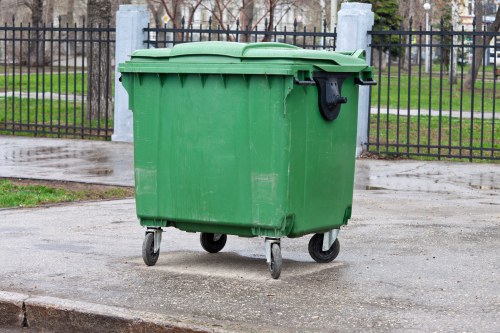
Commercial waste disposal supports a wide range of local customers. If your business produces rubbish as part of everyday trading, you are likely to benefit from a service tailored to your site, schedule, and waste volume. The service is especially useful for businesses that do not have the time, staff, or vehicle access to move waste themselves.
Typical customers include:
- Offices and shared workspaces
- Restaurants, cafes, pubs, and takeaways
- Retail stores, showrooms, and shopping units
- Construction and refurbishment teams
- Warehouses, storage facilities, and trade counters
- Hotels, serviced apartments, and guest accommodation
- Healthcare, education, and community premises
- Managing agents and property managers
If you are responsible for a site in London, you may also need support for specific waste streams such as cardboard, packaging, office furniture, shelving, fixtures, or kitchen-related waste. A flexible service can be arranged to suit the type of material you need removed and the practical realities of your building.
Why Local Knowledge Matters in London
Access, traffic, and working around the city

London has unique logistical challenges that make local experience valuable. Many commercial premises are on busy roads, in controlled parking zones, or in areas with limited stopping time. Some units have rear access via narrow service lanes, while others only have front-door access shared with customers or tenants. Waste disposal teams that work locally are better prepared for these conditions and can plan collections around them.
Traffic congestion is another major factor. A collection that works smoothly in a quieter area may not suit a central location near station footfall, loading restrictions, or peak-hour congestion. Businesses benefit from teams that understand how to time visits sensibly and avoid unnecessary disruption. That matters whether you are based in Westminster, Camden, Islington, Hackney, Southwark, Lambeth, Kensington, Hammersmith, Tower Hamlets, Wandsworth, or nearby areas.
London also has a broad mix of property types: modern office blocks, older shopfronts, basement units, warehouse spaces, mixed-use buildings, and commercial premises above or below residential flats. This means waste removal often needs careful handling, respect for shared spaces, and awareness of neighbours. Local services are usually better placed to work efficiently in these conditions without making the day harder for occupants or nearby businesses.
What Is Included in Commercial Waste Disposal
Practical support that saves time

A commercial waste service should do more than simply take rubbish away. The real value is in reducing the time your staff spend dealing with waste and making sure everything is handled properly. Depending on your needs, the service may include collection from inside the premises, removal from loading areas, loading bays, rear alleys, or shared access points, and sorting the material for the appropriate disposal route.
Depending on the job, this can involve:
- Scheduled bin collections for ongoing business waste
- One-off clearances for bulky or excess rubbish
- Office clearance from desks, chairs, filing cabinets, and fixtures
- Retail waste removal after re-merchandising or refit work
- Restaurant and hospitality waste support
- Packaging, cardboard, and mixed recyclables removal
- End-of-lease or end-of-tenancy commercial clearances
- Site clearance after fit-outs, refurbishments, or relocations
Important: not every type of waste can go in the same load, so it is useful to discuss what you have before booking. That helps the team plan the right vehicle, the right labour, and the right disposal route for your materials.
How the Service Works
Simple steps for busy businesses

The process should be simple and convenient. Most customers want a straightforward way to book, a clear explanation of what can be collected, and a collection time that works around their business. A local commercial waste provider should aim to make the process efficient from the first enquiry to the final pickup.
A typical service flow may look like this:
- Tell us what needs removing – share the type of waste, the approximate volume, and the location of the premises.
- Discuss access and timing – explain whether there are loading restrictions, parking challenges, building rules, or preferred collection windows.
- Receive a quote – pricing usually depends on the amount of waste, the type of items, labour required, and access conditions.
- Book the collection – arrange a convenient date and time that suits your operation.
- Prepare the waste – group items safely if needed and ensure the team can access them quickly.
- Collection and disposal – the waste is removed and taken for appropriate processing.
This kind of service is especially useful for London customers who cannot afford long interruptions during working hours. If your business operates early, late, or across shift patterns, collection times can often be arranged to reduce disruption.
Types of Commercial Waste Commonly Collected
Every business produces a different mix of waste, and that is especially true in a city as varied as London. Offices generate paper, packaging, electronics-related clutter, and furniture waste. Retail units often need regular removal of cardboard, display materials, and broken stock fixtures. Hospitality venues can produce food waste, packaging, glass, and general rubbish that accumulates quickly during busy periods. Construction and refurbishment sites may need help with timber, plasterboard, old fittings, and mixed site debris.
Common commercial waste categories include:
- General business rubbish
- Cardboard and packaging
- Office furniture and equipment
- Bulky items and broken fixtures
- Shop waste and display materials
- Kitchen, cafe, and hospitality waste
- Light refurbishment and clearance waste
- Mixed loads from storage and stock rooms
If you are unsure how to classify your waste, it is worth checking before collection. A brief conversation at the quote stage can help avoid delays and ensure your waste is handled correctly. It also helps to separate items where possible, especially when you have a mix of recyclable and non-recyclable materials.
Benefits of Choosing a Local London Team
Less hassle, better timing, and more practical support
There are several reasons London businesses prefer a local service for waste disposal. First, local teams understand the pace of the city. They know that delays can affect trading, deliveries, and customer experience. Second, they are familiar with the kinds of access issues that come with central streets, estate roads, service yards, and shared buildings. That can save time on the day and reduce the risk of collections being delayed.
Another important benefit is flexibility. A local team is often better placed to help with urgent clearances, short-notice collections, or repeat pickups that need to fit around a busy commercial schedule. That can be especially useful for businesses in areas such as the City of London, Shoreditch, London Bridge, Canary Wharf, Stratford, Clapham, Fulham, Wimbledon, Ealing, Croydon, and surrounding districts where premises operate under different restrictions and patterns.
There is also value in having a service that feels familiar with local building layouts. A shop with front-door access in a parade, a basement office with stairs, and a warehouse with yard access all require a different approach. Local experience helps the team work efficiently and respectfully in each setting.
What Affects the Price of Commercial Waste Disposal
Commercial waste disposal pricing is usually shaped by practical factors rather than a single fixed rate. That is helpful for customers because it means the quote can reflect the actual job, including labour, access, and the type of waste involved. If you are comparing options, it helps to understand what typically affects cost.
Main pricing factors often include:
- The volume or weight of waste to be removed
- The type of material, especially if special handling is needed
- How easy it is to access the waste
- Whether labour is needed to carry items from inside the property
- Urgency and preferred time of collection
- Whether the job is a one-off clearance or an ongoing schedule
- Parking, waiting, or site-entry conditions
For London businesses, access can make a noticeable difference. A collection from a ground-floor unit with loading access may be simpler than a job from a second-floor office, a basement premises, or a site with limited stopping options outside. Being clear about these details in advance helps you receive a more accurate quote and avoids surprises on the day.
Preparing for Collection
A simple checklist for busy premises
Good preparation can make the job faster and more efficient. It is not usually complicated, but a little planning can save time and keep your team focused on trading. If you are booking commercial waste disposal in London, use the following checklist as a practical starting point.
Preparation checklist:
- Identify all waste items that need to go.
- Separate recyclable materials where practical.
- Remove any items you want to keep or relocate.
- Check if the waste is stored upstairs, in the basement, or in a rear area.
- Note any access restrictions, keypad entry, reception rules, or loading bay limits.
- Make sure the collection point is reachable on the arranged date.
- Inform staff so they do not place new items in the collection area after it has been prepared.
If your premises are busy with customers or deliveries, it can help to choose a collection time outside the peak period. Early morning, later afternoon, or quieter trading windows can reduce disruption. Where a building has shared access, notifying your managing agent or building contact in advance may also help the process run smoothly.
Why Businesses Need an Ongoing Disposal Plan
Many businesses only think about waste when it starts to pile up, but a planned collection schedule is often more efficient. Ongoing commercial waste disposal supports tidier premises, better storage space, and fewer last-minute headaches. For London businesses, this is especially valuable because premises are often smaller, storage space is limited, and regular deliveries mean packaging and rubbish can accumulate quickly.
A recurring schedule can help with:
- Keeping front-of-house areas presentable
- Reducing clutter in stockrooms and back offices
- Supporting hygiene in kitchens and food service areas
- Preventing waste from building up in shared access points
- Making operations smoother for staff and contractors
Consistency matters. When waste is collected regularly, your team spends less time moving rubbish around and more time focusing on customers, service, and daily operations. That is one of the biggest advantages of arranging disposal with a local provider who understands business needs in London.
Areas Covered Across London
Commercial waste collection can be arranged across many parts of the capital, including central, inner, and outer borough locations. The needs of a café in Camden will differ from a warehouse in Wembley or a retail unit in Lewisham, but the same principle applies: the service should be practical, reliable, and fitted around the site.
Areas commonly covered include:
- Central London
- North London
- East London
- South London
- West London
- Docklands and business districts
- Residential-led high streets with commercial units
- Industrial estates and mixed-use sites
Because London is so diverse, it is helpful to choose a company that is comfortable working in different settings: high streets, business parks, office districts, estates, local parades, and transport-linked sites. That makes collections easier to arrange and helps ensure the service fits your surroundings rather than disrupting them.
What Good Service Looks Like
Practical, respectful, and on schedule
When you book commercial waste removal, you should expect more than just a vehicle arriving and leaving. Good service means clear communication, a sensible booking process, careful handling of your premises, and an approach that respects your schedule. In London, where time and space are both at a premium, these qualities matter even more.
Look for a service that is comfortable dealing with:
- Limited parking and controlled access
- Shared entrances and communal routes
- Busy trading periods
- Bulky items that need careful carrying
- Mixed waste types that require sorting
It should feel easy to arrange. You should be able to explain what you need, receive a clear response, and book with confidence that the job will be handled properly. If the site has unusual access or your waste includes a mix of materials, the provider should ask the right questions so the collection can be planned correctly.
Suitable for One-Off and Regular Collections
Choose the option that fits your business
Some businesses need ongoing support, while others only need a single collection after a clear-out or refurbishment. Both options are common in London. A restaurant might need regular pickups for packaging and general rubbish. An office may need a one-off clearance after a move. A shop may require periodic collection when stock and display waste builds up after deliveries or seasonal changes.
One-off collections are often useful for:
- End-of-lease clearances
- Office relocations
- Refurbishment waste
- Bulk packaging after a fit-out
- Storage room or back-office clear-outs
Regular collections are often better for premises with ongoing waste production, especially where storage is limited. If your business is in a high-footfall area or a building with shared bins, regular service can reduce overflow and help maintain a cleaner, more organised site.
Frequently Asked Questions
Common customer questions
What kind of businesses use commercial waste disposal in London?
Any business that produces rubbish as part of its operations can use the service, including offices, retail shops, hospitality venues, and industrial sites.
Can you collect waste from inside the property?
Many commercial collections include carrying items from inside the building, but this depends on the job details, access, and the amount of labour required. It is always best to mention where the waste is stored when you enquire.
Do I need to sort everything before collection?
Not always, but separating items where practical can help the process. It is especially useful to distinguish recyclables, bulky items, and mixed rubbish if your waste includes several different materials.
Can collections be arranged around business hours?
Often, yes. This is particularly important in London, where traffic, deliveries, and customer footfall can make timing critical. Mention your preferred time when booking.
What if my premises have limited parking or loading access?
That is very common in London. A good provider should ask about access in advance and plan accordingly so the collection can be completed efficiently.
Is commercial waste disposal suitable for shared buildings?
Yes, provided the collection arrangements suit the site rules and access conditions. This can be especially relevant for managed office buildings, mixed-use properties, and commercial units on shared estates.
How do I know what service I need?
If you are unsure whether you need a regular collection, a one-off clearance, or help with a specific waste stream, it is best to describe the waste and the property setup. The right option can then be recommended based on your needs.
Booking Your Commercial Waste Service
If your business needs a cleaner, easier way to manage rubbish, the next step is simple: contact us today to discuss your site and request a free quote. Whether you run a small shop, a busy office, a hospitality venue, or a larger commercial premises, the service can be shaped around your waste volume, access conditions, and preferred collection times.
London businesses value practical support that saves time and avoids disruption. A local commercial waste disposal service offers exactly that: a clear, convenient way to keep on top of waste without adding pressure to your staff. If you need a one-off collection or ongoing support, book your service now and keep your premises running more smoothly.
From central districts to outer boroughs, the right waste collection partner can make a noticeable difference to day-to-day operations. If your bins are filling up too fast, your storage space is tight, or your building access makes disposal awkward, arranging a tailored service is often the most efficient solution.
Request a free quote today and take the hassle out of commercial waste management in London.