Trash Collection in London
If you need trash collection in London, you are probably looking for a service that is fast, reliable, and easy to arrange around busy city life. London homes and businesses produce all kinds of waste every day: household rubbish, bulky items, office clear-outs, builder’s debris, garden waste, and the everyday overflow that builds up when bins are full before the next scheduled collection. In a city with terraced streets, apartment blocks, narrow mews, basement flats, and busy commercial districts, waste removal is rarely as simple as putting something on the kerb and waiting for it to disappear. A local service needs to understand access issues, timing, parking, permits, loading restrictions, and the way different boroughs handle collections.
That is why a dedicated London waste collection service is so useful. Whether you are a homeowner trying to clear a loft, a landlord preparing a flat for new tenants, a shop owner with packaging waste, or an office manager handling a move, you need a team that can collect rubbish efficiently and leave the space tidy. This page is designed to help real London customers understand what is included, how the service works, what affects pricing, and how to book the right collection for your property or business.
From central locations such as Westminster, Camden, and the City to residential areas in Wandsworth, Lewisham, Ealing, and Waltham Forest, local knowledge makes a real difference. Trash collection services in London are not one-size-fits-all; they need to be flexible enough for flats without lifts, houses with narrow staircases, courtyards with limited turning space, and commercial sites with time-sensitive clearances. If you want a practical, customer-focused solution, this is the kind of service that can save time, reduce stress, and help keep your property safe and presentable.
What Trash Collection in London Covers
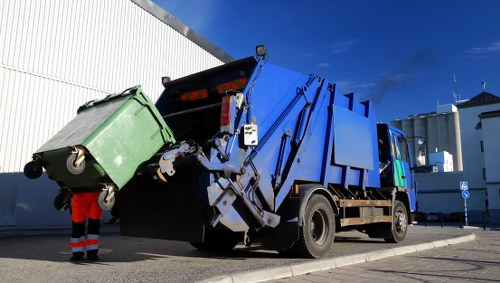
Trash collection is more than just taking away a black bag or two. In London, the term often includes a broad range of waste removal needs that vary from household to commercial and light construction work. The right service can help with everything from a one-off rubbish pickup to repeated collections for a business or managed property. For many customers, the biggest benefit is convenience: no hiring a van, no struggling with heavy bags, and no trying to fit awkward items into a small car on a busy London street.
Typical collections may include general household waste, unwanted furniture, broken appliances, bagged rubbish, office clutter, cardboard, packaging, and mixed non-hazardous waste. Some customers also need help after a tenancy ends, after renovations, during a move, or after a garden tidy-up. A local team can often handle mixed loads in a single visit, provided the waste is acceptable and ready for collection. That flexibility is especially important in London, where homes and commercial premises often have limited storage space and items need to be removed quickly.
It is also worth noting that different properties and districts can create different collection challenges. A flat in Shoreditch may have tight stair access and limited on-street loading, while a townhouse in Richmond may involve basement storage and shared access routes. Office premises in Canary Wharf may have security procedures and loading dock rules. A reliable collection company will understand these practical issues and plan the job around them, making the process smoother for customers.
Why London Customers Choose a Local Waste Collection Team

Choosing a local team for trash collection in London can make a noticeable difference to how quickly and easily the job gets done. Local crews know how to work around controlled parking zones, congestion, time-restricted loading bays, and busy residential streets. They also tend to understand borough-specific expectations around access, timing, and leaving communal areas clean and safe. When you are dealing with rubbish that needs removing promptly, that local awareness matters.
London properties are incredibly varied. Some customers live in converted Victorian terraces with narrow hallways; others are in purpose-built flats with communal bin stores; some manage retail units, cafés, studios, or office floors. Each setting comes with different waste streams and different practical obstacles. A local collection service is more likely to arrive prepared for steps, lift restrictions, basement access, or a lack of nearby parking. That helps reduce delays and makes the whole service feel more dependable.
There is also a customer-service advantage. When you book with a team that works across London every day, you are more likely to get realistic arrival windows, straightforward communication, and advice that fits the realities of city living. If you need rubbish removed before an inspection, after a refurbishment, or between tenant changeovers, local scheduling can be a major advantage. Request a free quote if you want a service that is built around the way London properties actually operate.
Who Uses Trash Collection Services in London?
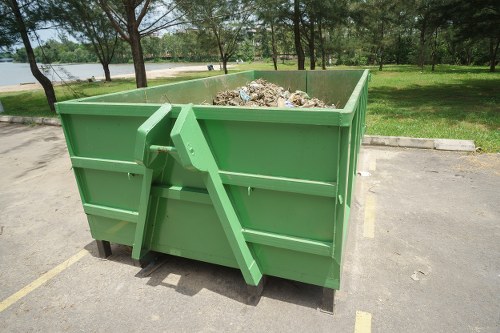
One of the strengths of rubbish collection in London is that it serves a wide range of customers. Many people think of waste removal as a one-off domestic need, but in practice it is used by households, landlords, estate managers, tradespeople, retailers, and offices. A well-organised service can support both small clearances and larger, more frequent collections depending on the property and the amount of waste involved.
Homeowners and tenants often need help with attic clear-outs, old sofas, mattresses, broken white goods, or post-move rubbish that will not fit into standard bins. Landlords and letting agents may need a flat emptied between tenancies or a quick removal of left-behind items after checkout. Businesses in areas like Soho, Southbank, King’s Cross, Stratford, or Hammersmith may need regular collections for packaging, office waste, or storage room clutter. Trade customers may need disposal of materials left after non-hazardous refurbishment work.
In London, the common thread is often urgency and practicality. There is rarely space to leave waste sitting around, and in many neighbourhoods an overflowing frontage or shared bin area can quickly become a problem. That is why flexible rubbish and trash removal can be so helpful. It is not only about taking waste away; it is about restoring order, opening up space, and helping properties stay presentable for residents, visitors, or customers.
How the Service Works
Booking trash collection in London should feel simple. The usual process starts with an enquiry and a description of the waste you need removed. Many customers find it useful to list the type of items, approximate quantity, property access details, and whether there are stairs, lifts, or parking restrictions. If the waste is bulky or mixed, it helps to mention that too. The more accurate the information, the easier it is to arrange the right collection.
Once the job details are understood, you can receive a quote based on the volume, type of waste, access conditions, and any special handling requirements. For many customers, the appeal is that this can be arranged without a lengthy process. When the collection is booked, the team arrives at the agreed time, loads the waste, and removes it for proper disposal. In many cases, the team can take items directly from a flat, office, garden, or storage area, which is a major convenience for customers who do not want to carry heavy objects to the street themselves.
After loading, the site is typically left tidy, with any remaining items checked before departure. This practical, no-nonsense approach is especially useful for London customers who need the space cleared quickly and want minimal disruption. If you are trying to schedule a collection between work meetings, school runs, or building access times, a professional waste removal team can make the process far easier. Book your service now if you need a flexible solution that fits your day.
Types of Waste Commonly Collected
Different customers need different types of rubbish collected, and London properties often generate a mix of waste streams. A good service should be able to handle common non-hazardous items safely and efficiently, while also being clear about what can and cannot be removed. This transparency helps customers plan ahead and avoid surprises.
- Household rubbish and bagged waste
- Bulky furniture such as sofas, tables, wardrobes, and chairs
- Mattresses and bed frames
- Appliances and white goods where accepted
- Office clear-out waste, including desks, chairs, and filing items
- Cardboard, packaging, and mixed dry waste
- Garden waste such as branches, leaves, and soil in suitable quantities
- Light refurbishment debris and non-hazardous builder’s waste
- End-of-tenancy rubbish and left-behind items
Some waste types require special handling, and some items may not be suitable for standard collection. This is why it is important to describe your load accurately when asking for a quote. If you are unsure whether a particular item can be taken, ask before booking. That saves time and helps avoid delays on the day. London customers often appreciate this straightforward approach because it makes the service feel organised and dependable.
For many households and businesses, the service is useful because it handles the awkward, bulky, or too-much-for-the-bin items that regular weekly collections do not cover. Whether it is a one-off clean-up or a bigger clear-out, having a local team handle the load can make a real difference to comfort and convenience.
Access, Parking, and London Property Challenges
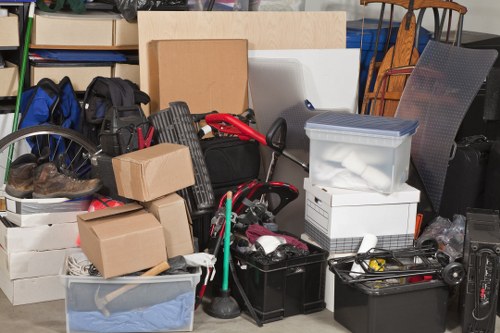
One of the biggest reasons people look for trash collection in London rather than trying to do it themselves is the practical challenge of access. In many parts of the city, parking is limited, loading space is tight, and buildings were never designed with modern waste removal in mind. A service that understands these issues can save customers a great deal of stress.
Common London access issues include narrow staircases, top-floor flats without lifts, basement storage rooms, shared hallways, controlled entry systems, and streets where stopping briefly is not easy. In busy areas such as Covent Garden, Holborn, Kensington, or parts of Hackney and Brixton, the logistics can be just as important as the waste itself. Teams that work locally are used to planning around these conditions and arriving prepared for the realities of city collection work.
Parking can also affect how the job is handled. If a vehicle cannot stop directly outside the property, the team may need to carry waste from inside the building or from a courtyard, service yard, or rear entrance. That extra effort is often what customers are really paying for: a service that still gets the job done even when access is not ideal. For landlords and commercial customers in particular, this can be essential when time is short and the property needs to be ready for use again quickly.
What Is Included in a Professional Collection
When customers ask what is included in a waste collection service, they usually want to know two things: what will happen on the day, and how much help they will receive. A good local rubbish removal service should be clear about both. In most cases, the job includes arriving at the property, assessing the load, removing the agreed waste, loading it safely, and clearing the area of loose debris where possible.
Depending on the arrangement, the team may also help move waste from inside the property to the vehicle, which is especially useful for flats, upper-floor rooms, garages, sheds, or rear gardens. This can save a customer from lifting heavy or awkward items themselves. It can also reduce the risk of damage to hallways, communal areas, or staircases when carried out carefully by trained staff. For commercial customers, it may include collecting waste from designated storage points, loading bays, or back-of-house areas.
What is included will vary by provider and job type, so it is always best to confirm the scope before booking. Ask whether the quote covers labour, loading, disposal, access difficulties, and any waiting time if needed. Clear expectations are helpful for London customers who want the process to be quick, fair, and organised. If you need a practical solution that covers more than just a van arriving outside, a local collection service is usually the most efficient option.
Pricing Factors for Trash Collection in London
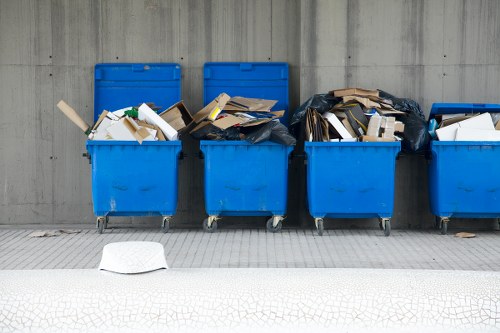
Customers often want to understand what influences the cost of trash collection in London without being given a fixed price that may not fit the actual job. That is sensible, because waste removal charges usually depend on several factors rather than a single flat figure. The type of waste, the amount, the access conditions, and the time required all play a role.
Common pricing factors include:
- The volume of waste to be removed
- The type of items, especially bulky or awkward pieces
- Whether the waste is bagged, loose, or requires sorting
- How easy it is to access the property
- Parking distance from the collection point
- Whether stairs, lifts, or multiple trips are involved
- Any same-day or urgent scheduling needs
- Whether the collection is domestic, commercial, or trade-related
London-specific factors matter here. A simple roadside pickup in an area with good access may be more straightforward than a flat clearance in a central borough with tight loading restrictions. That does not mean every awkward job is expensive; it simply means the quote should reflect the real work involved. Customers usually appreciate honest pricing factors because it helps them compare services fairly and avoid unexpected extras.
If you are requesting a quote, give as much detail as possible. Photos of the waste, a description of the property, and any access notes can help the provider give a more accurate estimate. For many people, this is the easiest route to a smooth, efficient booking.
How to Prepare for Collection Day
A little preparation can make a trash collection appointment in London run more smoothly. You do not need to stage the property like a showroom, but a few simple steps can save time and help the collection team work efficiently. This is particularly useful when access is tight or the waste is spread across several rooms.
- Separate the items you want removed from anything you are keeping.
- Make sure access routes, doors, or gates are unlocked if possible.
- If there are building rules or concierge requirements, have them ready.
- Identify where the waste is located so the team can find it quickly.
- Move small personal items away from the collection area.
- Tell the provider about stairs, lifts, parking, or loading restrictions in advance.
- Flag any items that may need special attention or clarification before the day.
For households, this might mean clearing a path to a loft, shed, or spare room. For offices or shops, it may mean grouping items in one area so they can be removed in fewer trips. The more organised the waste is, the faster the collection may be. That said, many customers use the service precisely because they do not have time to sort or transport waste themselves, so even a basic level of preparation can be enough.
Helpful tip: If you are in a shared building, let neighbours or building management know about the collection if needed, especially if there may be temporary loading access or noise during removal. Small steps like this can reduce friction and keep the day running smoothly.
Residential Trash Collection for London Homes and Flats
London homes come in many forms, from Victorian terraces and converted flats to modern apartment blocks and maisonettes. Each one brings different waste removal needs. A family home in Dulwich might need a loft or garage clear-out, while a studio flat in Pimlico may need a quick removal of a sofa, a mattress, and a few bags of general rubbish. Residential collection is often about freeing up space without the stress of hiring equipment or arranging several trips to a disposal site.
Many residents also use these services after moving in or out, during spring cleaning, or when replacing furniture and appliances. If you live in a flat without a convenient lift, or in a building where the bin store is always full, a professional collection can be the simplest answer. It is also useful when items are too large for ordinary residential bins or when waste needs to be cleared before an inspection, repair visit, or handover.
For London households, one of the biggest benefits is time. A local collection team can come to the property, remove the waste, and leave you with usable space again. That means less lifting, less sorting, and less disruption to your day. If you have been putting off a clear-out because of the logistics, a dedicated trash collection service can remove that barrier quickly.
Commercial Waste and Office Collections
London businesses need waste removal that is punctual and discreet. Offices, retail shops, hospitality venues, studios, and clinics all generate different rubbish streams, but they share one common need: the waste has to be dealt with without interrupting the working day. A local service can help with office furniture removal, cardboard disposal, end-of-lease clearances, and routine ad hoc collections when the usual bin capacity is not enough.
Commercial customers often deal with access rules that are stricter than residential ones. A building may require advance notice, a specific loading entrance, or collection during off-peak times. In districts like the West End, Paddington, Shoreditch, or Southwark, keeping collections efficient is especially important because space is limited and operations need to continue as normal. A team familiar with local business environments can work around these constraints more effectively.
For landlords, managing agents, and office administrators, the value of a dependable service is clear: less clutter, clearer common areas, and quicker turnaround between uses. If your workplace is dealing with an overflow of packaging, obsolete equipment, or renovation waste, arranging a rubbish pickup can help restore order without disrupting staff or customers.
Areas Covered Across London
Trash collection in London is useful because the city is so varied, and a local service can support many different neighbourhood types. Coverage may include central, north, south, east, and west London, as well as surrounding districts and mixed residential-commercial areas. The exact route and availability may depend on scheduling, but a good local team should be able to work across a wide range of boroughs and property types.
Common service areas often include:
- Central London areas such as Westminster, Camden, the City, Holborn, and Soho
- East London areas such as Hackney, Tower Hamlets, Newham, and Stratford
- North London areas such as Islington, Haringey, Brent, and Barnet
- South London areas such as Lambeth, Southwark, Wandsworth, Lewisham, and Croydon
- West London areas such as Kensington and Chelsea, Hammersmith and Fulham, Ealing, and Hounslow
- Outer and suburban locations where access and parking are easier but collections may still be needed quickly
Local coverage matters because it affects travel time, scheduling, and the ability to respond to urgent requests. It also helps if the provider understands local traffic patterns, event-day congestion, and borough-level access limitations. For customers, that usually means a more realistic and reliable service experience.
Why local area knowledge helps
A team that knows London can anticipate common issues before they slow the job down. That includes roadworks, loading restrictions, one-way systems, resident permit zones, and restrictions around narrow streets or gated developments. It is not just about geography; it is about understanding how the city works on the ground. That practical experience is especially valuable when waste needs to be removed quickly and with minimal fuss.
What Customers Often Ask Before Booking
Before arranging trash collection in London, many customers want reassurance on the same practical points. These questions are worth asking early because they help you choose the right service and avoid delays.
Can items be collected from inside the property?
In many cases, yes. Collections often include removal from flats, offices, gardens, basements, or upper floors, depending on the booking and the provider. It is best to confirm access details in advance.
Do I need to move everything outside first?
Not always. Some customers prefer to place waste near the entrance, but a professional team may be able to collect from inside if that is part of the arrangement. This is especially helpful when the items are heavy or awkward.
Can the service handle mixed loads?
Usually, yes, as long as the items are acceptable for collection and non-hazardous. Mixed loads are very common in London homes and business premises, especially during clear-outs.
What if I am not sure how much waste I have?
You can still enquire. A description, rough estimate, or a few photos can help the provider understand the job and advise on the best option.
Is same-day collection possible?
Sometimes, depending on availability and the size of the job. If you need urgent removal, it is worth asking as soon as possible so the team can check scheduling options.
Frequently Asked Questions
How do I know if my rubbish is suitable for collection?
Most everyday household, office, and light commercial waste can be collected, but some items require special handling. If you are unsure, list the items when you request a quote and ask for clarification.
Will the team tidy up after removal?
A good service should leave the area tidy and remove loose waste as part of the job where possible. Exact clean-up levels can depend on the type of collection and the condition of the site.
Can collection work around building rules?
Yes, if the provider is told about those rules in advance. This is common in managed flats, offices, and mixed-use developments across London.
Do I need to be present?
In many cases, someone should be available to grant access and confirm the load, but the best arrangement depends on the property and the provider’s process.
Is this service only for large clearances?
No. Many people use rubbish collection for smaller loads, single bulky items, or a few bags of waste when a standard bin is not enough.
How far in advance should I book?
As soon as you know you need the collection. For urgent jobs, ask about current availability. For planned clear-outs, booking ahead usually gives you more flexibility.
Why Choose a London-Based Waste Collection Service
There are many reasons to choose a London-based team for your waste removal needs. First, the service is likely to be more responsive to local conditions, from congestion and parking restrictions to building access and timing constraints. Second, a local provider is usually better placed to work across different boroughs and property types without the job becoming unnecessarily complicated.
Another important factor is practicality. When you need rubbish cleared, you want a team that understands the pace of the city and can work efficiently. Whether the job involves a basement flat, a shared courtyard, an office floor, or a shop storage area, the right team should be ready to handle the collection with minimal disruption. That is especially helpful for customers balancing work, family, and other commitments.
Finally, a local service is easier to align with the realities of London life. Traffic, access, and time windows matter here more than in many other places. A team that knows this will plan better, communicate more clearly, and deliver a smoother experience from the initial enquiry to the final load-out. Contact us today if you want a rubbish collection option that suits your property, your schedule, and your area.
Ready to Arrange Trash Collection in London?
If your bins are overflowing, your flat needs clearing, your office has built up waste, or your property simply needs a fresh start, professional trash collection in London can make the process easier. It is a practical service designed around real local needs: limited space, busy streets, mixed property types, and the need to get things done without unnecessary disruption.
Whether you are dealing with a one-off bulky item or a larger collection, the best next step is to ask for a quote and share the details of the job. The more information you provide, the easier it is to arrange the right service. From residential rubbish to commercial clear-outs, a local London team can help remove waste efficiently and leave you with a cleaner, more usable space.
Request a free quote or book your service now to arrange a convenient collection and take the hassle out of waste removal in London.