Rubbish Clearance in London
If you need rubbish clearance in London, you probably want one thing above all: a service that turns up when expected, removes waste without hassle, and leaves your space clear and usable again. Whether you are dealing with a flat that needs emptying, a loft packed with old belongings, a shop refit, or builders’ waste after a renovation, a local clearance team can make the process far simpler than trying to handle it yourself.
London brings its own challenges. Tight streets, controlled parking zones, busy blocks of flats, basement conversions, shared entrances, and limited lift access can make waste removal more difficult than in many other places. That is why local knowledge matters. A team experienced in rubbish clearance across London can plan around access issues, work efficiently in busy neighbourhoods, and help keep the job as straightforward as possible for homeowners, landlords, tenants, and businesses alike.
From single bulky items to full property clearances, the right service should be practical, respectful, and clear about what is included. If you are preparing for a move, clearing out after tenants, getting rid of garden waste, or making room after a refurbishment, request a free quote and compare your options before the clutter takes over your schedule.
Why rubbish clearance matters for London properties

London homes and commercial premises often generate waste faster than people expect. A small flat in Islington can fill up with packaging, broken furniture, and old appliances just as quickly as a house in Wimbledon or a maisonette in Lewisham. In commercial settings, the buildup can be even more noticeable: office furniture, shop fittings, warehouse pallets, and refurbishment debris can take over valuable floor space in a matter of days.
Proper rubbish clearance is not just about tidying up. It helps restore safety, improve access, and make a property ready for its next use. Clutter can create fire risks, block exits, attract pests, and make cleaning or decorating more difficult. For landlords and agents, timely clearance also helps reduce delays between tenancies. For homeowners, it can turn a stressful project into one that feels manageable again.
Because London properties vary so much, a one-size-fits-all approach rarely works well. A top-floor flat without a lift, a mews house with narrow access, or a retail unit with loading restrictions each needs a different plan. That is where a local rubbish removal team can be especially useful: they can assess the access, estimate the labour required, and remove waste in a way that suits the building and the street.
Types of rubbish clearance we handle
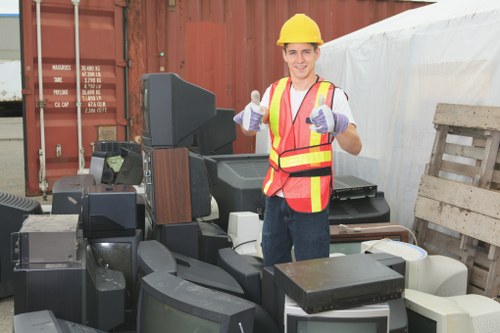
Every customer’s situation is different, which is why rubbish clearance services in London usually cover a wide range of waste types. A good local team should be able to help with household clearances, commercial waste, and bulky items without forcing you to separate everything into multiple jobs.
Common clearance jobs include:
- Household rubbish from decluttering, spring cleaning, or moving home
- Furniture disposal, including sofas, beds, wardrobes, tables, and chairs
- Appliance removal, such as fridges, washing machines, freezers, and microwaves
- Garden waste, including branches, soil, hedge cuttings, and old shed contents
- Builders’ waste from refurbishments, strip-outs, and DIY projects
- Office clearance for desks, chairs, filing cabinets, shelving, and unwanted equipment
- Shop and retail clearance for fixtures, packaging, display units, and end-of-line stock waste
Many customers need a mix of items removed at once. For example, after a kitchen upgrade you might have old cabinets, packaging, broken tiles, and a fridge to dispose of. After an office move, you may need furniture, boxes, electronic equipment, and general waste taken away together. A flexible rubbish clearance service saves time because you do not need to organise separate collections for each category.
How the service works

Customers usually choose rubbish clearance in London because they want a service that is easy to organise and quick to complete. The process should be simple from the first enquiry to the final sweep-up. While every job is different, most clearances follow a similar pattern.
First, you explain what needs removing. This might be done through photos, a brief description, or a site visit for more complex jobs. Next, the team assesses the amount and type of waste, the access conditions, and whether any items require special handling. Once the job is confirmed, the clearance is scheduled at a time that suits you.
On the day, the team arrives, loads the waste, and removes it from the property. In many cases, the service includes lifting from inside the home or business, which is helpful when items are heavy or awkward. After collection, the area is left as tidy as reasonably possible so you can get on with the next stage of your plans, whether that is decorating, letting, selling, or reopening the space.
What is included in a typical rubbish clearance

One of the most important questions customers ask is what they actually get for their money. The answer depends on the provider and the nature of the job, but a reliable rubbish clearance service should be clear and upfront about what is included.
Typically, a professional clearance may include:
- Collection of agreed waste items from your property or premises
- Loading by the clearance team, which is especially useful for bulky or heavy items
- Transport of waste away from the site
- Sorting and disposal of recyclable materials where possible
- Basic sweep-up after removal, where appropriate
- Careful handling in shared buildings, communal hallways, and narrow access areas
For larger or more complex jobs, such as full house clearances or office strip-outs, the team may need additional time and labour. This is normal in London, where stairs, parking restrictions, and restricted loading bays can all affect the job. It is helpful to be honest about the volume of waste and the access conditions so the service can be planned properly.
If you are comparing options, look for a company that explains its process in plain language. Clear communication matters. You want to know what happens, how long it should take, and whether there are any limitations around hazardous materials, specialist items, or restricted waste streams.
London-specific challenges and why local knowledge helps
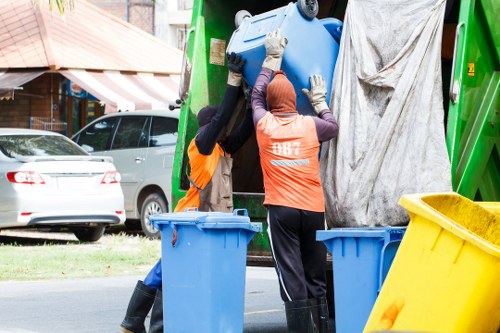
Rubbish clearance in London is often more complicated than customers first expect. Parking can be limited, roads can be busy at almost any time of day, and many properties have access restrictions that add time to the job. A team that works locally understands that a clearance in Hackney may feel very different from one in Richmond, Croydon, Camden, or Hammersmith.
Here are some of the most common challenges a local team deals with:
- Controlled parking zones and permits that affect vehicle access
- Narrow streets where loading needs to be planned carefully
- Flats and maisonettes with stair-only access or small lifts
- Basements and top floors that add extra manual handling
- Shared entrances where care is needed to avoid disruption to neighbours
- Busy commercial areas where timing the collection matters
Because of these local factors, choosing a team that regularly carries out rubbish clearance across London can make a real difference. They are more likely to plan the route, arrive prepared for local access conditions, and complete the work with fewer delays. That saves you time and reduces stress, especially if you are trying to manage a move, a refurbishment deadline, or an end-of-tenancy turnaround.
Who uses rubbish clearance services in London?
Waste removal is not only for big clear-outs. It is useful for all kinds of customers, and the reasons people book a collection are often practical and urgent. A local service can support homeowners, tenants, landlords, letting agents, businesses, tradespeople, and managing agents.
For homeowners, rubbish clearance might be needed after a loft clear-out, garage clean-up, or house renovation. For tenants, it can help before moving out when bulky items or leftover belongings need to go. For landlords and agents, it may be part of preparing a property for new occupants after furniture, rubbish, or abandoned items are left behind. For businesses, it can cover office moves, shop refurbishments, storage room emptying, or regular waste removal after a busy trading period.
Tradespeople also rely on clearance services when projects create more waste than a standard bin collection can handle. Builders, decorators, kitchen fitters, and landscapers often need flexible support for bags of rubble, packaging, timber offcuts, old fittings, and other debris that quickly builds up on site.
Residential rubbish clearance
Residential clearance is often about making the home feel liveable again. It may involve furniture that is too large for the stairwell, boxes that have been stored for years, or garden waste left after a weekend project. In London flats, a useful service is one that can handle the stairs, tight corners, and noise considerations with care and efficiency.
Commercial rubbish clearance
Commercial jobs tend to need more planning. Time windows may be limited, access may need to be coordinated with building management, and the waste itself may be mixed. A local clearance team can help with office clear-outs, retail waste, storage unit contents, and refurbishment debris while keeping disruption to staff and customers as low as possible.
Preparing for your clearance
Good preparation makes rubbish removal faster, safer, and often more cost-effective. You do not need to do everything yourself, but a little organisation before the team arrives can help the job run smoothly.
Here is a practical checklist you can follow before booking or on the day:
- Identify what needs to go and what you want to keep
- Separate items that may need special handling, such as fridges or electrical goods
- Make sure access routes are as clear as possible
- Tell the team about stairs, lifts, entry codes, or parking restrictions
- Check whether any items need to be left in place until a final sign-off or inspection
- If you are in a block of flats, let neighbours or building management know if necessary
You do not need to lift heavy items, bag everything, or move bulky waste to the kerb unless that is easier for you. In fact, many customers book a service because they do not want to carry items through hallways or down flights of stairs. The key is to communicate clearly about the volume and location of the waste so the team can plan the right approach.
Book your service now if you are working to a deadline. Clearance jobs often become more stressful the longer they are left, especially when they block decorating, moving, or a handover. Early booking helps you stay in control.
Pricing factors to consider
Customers often want to know how rubbish clearance is priced before they commit. While exact prices vary from one job to another, several practical factors usually affect the overall cost. Being aware of them helps you compare quotations fairly and avoid surprises.
Common pricing factors include:
- Volume of waste and how much space it takes in the vehicle
- Type of waste, since some materials need more careful handling
- Labour involved, especially if items must be carried down stairs or from difficult access points
- Parking and access conditions, which can affect loading time
- Location and timing, particularly for urgent or out-of-hours jobs
- Any special disposal requirements for items that cannot be mixed with general waste
It is worth asking for a clear explanation of what the quote includes. A well-run local service should be able to describe whether loading, transport, and disposal are included, and whether there are any limits based on item type or access. This is especially helpful in London, where two properties on the same road can have very different clearance needs because of parking, loading access, or building layout.
Request a free quote once you know the rough amount of waste. Even a few photos can help establish what the job involves and whether a same-day or scheduled collection would be more suitable.
Why choose a local London rubbish clearance company?
Working with a local company can be a real advantage when you need rubbish clearance in London. Local teams tend to understand the city’s streets, restrictions, and building types better than a generic provider that rarely works in the area.
There are several reasons this matters:
- Faster planning around local access, parking, and timing
- Better awareness of property types, from Victorian terraces to modern apartment blocks
- More suitable scheduling for busy high streets, commercial estates, and residential zones
- Less disruption because the team can prepare for the likely challenges in advance
- Practical support for one-off clearances, repeat jobs, and urgent removals
London customers often need a team that can deal with more than just the waste itself. They need flexibility, punctuality, and a sensible approach to working in a city where every property can pose different logistical issues. That is especially true for older buildings, basement flats, converted houses, and mixed-use premises where access is limited or shared.
Contact us today if you want a clearance service that understands these local realities and can help you move forward without unnecessary delay.
Areas covered across London
A service that covers London should be able to work across a wide range of neighbourhoods and property types. Customers may need help in central areas, inner London boroughs, suburban streets, or mixed residential and commercial districts. The best local teams are used to moving between these different environments and adapting to what each job requires.
Typical areas covered may include, without being limited to, parts of North London, South London, East London, West London, and central districts. That can mean terraced streets in areas like Clapham or Tooting, mansion blocks in Kensington or Earl’s Court, converted houses in Haringey or Walthamstow, town centres in Croydon or Stratford, and business premises in places such as Shoreditch, Paddington, or Southwark.
If your property sits near a restricted loading zone, busy high street, estate road, or controlled parking area, local experience is even more valuable. A team that works throughout the capital will be better placed to plan the visit in a way that suits the street and the building. If you are unsure whether your area is covered, it is always sensible to ask when requesting a quote.
When is the right time to book?
There is rarely a perfect time to deal with waste, but there are clear moments when booking sooner is the better option. If rubbish is making a room unusable, blocking trades, or causing stress before a deadline, then waiting usually makes the situation harder.
Common reasons to book rubbish clearance include:
- Before moving house or handing back a rental property
- After a renovation or repair project
- Before decorating, carpet fitting, or cleaning work
- When preparing a home for sale or letting
- After clearing a loft, shed, garage, or storage space
- When a business needs to empty an office, storage area, or shop unit
Acting early can also help if your waste includes bulky items, because these often require more time and labour to remove safely. In London, where access can be tight and schedules are busy, leaving it until the last minute may limit your options. A quick enquiry can save a lot of pressure later.
Frequently asked questions
Do I need to move the rubbish outside before collection?
No, not usually. Many customers book a clearance specifically because they need help lifting items from inside the property. The team can often remove waste from flats, basements, offices, and back rooms, provided access is safe and agreed in advance.
Can you handle mixed waste in one visit?
Yes, in many cases. A single job may include furniture, general rubbish, packaging, and garden or renovation waste. It is helpful to list everything you want removed when you request a quote so the collection can be planned accurately.
What if I live in a flat with stairs or no lift?
That is a common situation in London. Stairs and limited access are normal parts of many jobs, but they can affect how much time and labour is required. Let the team know in advance so they can plan for it properly.
Can you help businesses and landlords?
Yes. Commercial customers, landlords, and letting agents often need fast, reliable clearances for office furniture, shop waste, abandoned items, and end-of-tenancy rubbish. The service can be adapted to suit larger or more time-sensitive jobs.
Do you take everything?
Most standard rubbish and bulky items can be collected, but some waste types may need special handling. If you have anything unusual, damaged, or potentially hazardous, mention it when you enquire so you can be told whether it can be included.
How do I get an accurate quote?
The best way is to describe the waste clearly and, if possible, share photos. Include the property type, access details, and any timing requirements. That gives the team enough information to estimate the job properly.
Choose a service that makes the job easier
When you need rubbish clearance in London, you are not just looking for someone to take items away. You are looking for a service that understands how to work around the realities of the city: narrow roads, shared buildings, parking restrictions, and busy schedules. A good local team should make the process feel organised from the beginning and leave you with a space that is easier to use.
Whether your need is domestic or commercial, small or large, urgent or planned, the right clearance service can reduce stress and save time. From a single unwanted sofa to a full property clearance, the aim is the same: remove the waste safely and efficiently so you can move on with your plans.
If your home, flat, office, shop, or rental property is ready for a proper clear-out, contact us today to discuss the job and request a free quote. A straightforward conversation is often the quickest way to find the best solution for your rubbish removal needs.
Ready to clear the space?
Book your service now if you want a practical, local solution that works around London’s access issues and your schedule.
Small job or large clearance
Every collection is different, and that is exactly why a flexible local approach matters.