Commercial Waste Collection in London
Keeping a business premises clean, safe, and compliant can be a daily challenge in a city as busy as London. From compact offices in the City to busy restaurants in Soho, retail units in Camden, warehouses in East London, and mixed-use buildings across South London, waste builds up quickly and needs to be managed properly. A reliable commercial waste collection in London service helps businesses stay on top of refuse, recycling, and specialist waste streams without disrupting everyday operations.
Whether you run a small café, a large office, a shared workspace, a hotel, a construction office, a shop, or a hospitality venue, the right waste collection partner can make a real difference. You need a service that understands local access issues, collection timing, sorting requirements, and the realities of operating in a fast-moving city. That means planning around loading bays, narrow streets, parking restrictions, building access rules, and the varying needs of commercial customers across the capital.
Request a free quote or book your service now if you want a straightforward, dependable solution for commercial rubbish collection in London. A local team can help reduce disruption, support recycling targets, and make waste removal simpler for your staff, your tenants, or your site managers.

Commercial Waste Services Designed for London Businesses
London businesses do not all produce the same kind of waste, and they certainly do not all operate in the same way. A call centre in Canary Wharf, a deli in Southwark, and a building contractor in Ealing all have different collection needs. That is why business waste collection in London should be flexible, responsive, and practical rather than one-size-fits-all.
Typical commercial waste can include general refuse, packaging, cardboard, paper, food waste, glass, plastics, confidential office disposal, bulky items, and mixed recycling. Some sites also need regular collection of production waste, event waste, or end-of-tenancy clearance materials. A dependable provider will look at the type of premises, the volume of waste created, and the best collection schedule for your operations.
Many businesses also need help choosing the right containers and collection frequency. Commercial rubbish removal is often more efficient when bins, sacks, or containers are matched to the layout of the premises. A local team that knows London streets and local authority requirements can recommend an arrangement that keeps waste out of the way while still remaining easy for staff to use.

Why Local Knowledge Matters in London
London is not an easy city for waste collection. Busy roads, controlled parking zones, pedestrianised streets, timed loading areas, and restricted access windows can all affect how smoothly a collection runs. A team with local knowledge is better placed to plan collections around these realities, which can help reduce delays and avoid unnecessary disruption.
For commercial customers, this matters because missed collections or poorly timed visits can affect hygiene, trading standards, staff comfort, and customer experience. A restaurant in Covent Garden may need early-morning collection to avoid peak footfall. A retail store in Kensington may require careful planning around delivery and stock replenishment. An office near Liverpool Street may need discreet, regular services that fit around building management rules.
Local experience also helps with area-specific property types. London includes high-rise offices, converted terraces, warehouse units, shopping parades, market stalls, shared workspaces, hospitality venues, and multi-tenant commercial buildings. Each one presents different access and scheduling needs. A practical collection service should be able to work with those constraints, not against them.
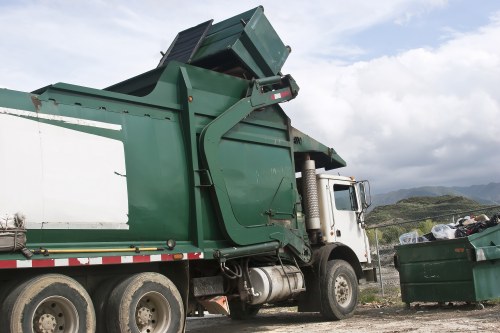
What Is Included in Commercial Waste Collection
Businesses often want a clear idea of what they are paying for. A well-organised commercial waste collection in London service should make the process simple from start to finish. While exact arrangements vary by site, the service usually includes collection of agreed waste types, removal from your premises or designated loading point, and responsible handling of the waste after it has been picked up.
Depending on your requirements, this may involve regular scheduled collections, one-off clearances, or a combination of both. Some businesses need daily or multiple weekly collections, particularly in hospitality or food retail. Others are better served by weekly, fortnightly, or ad hoc arrangements, especially offices or light industrial units with lower waste output.
What may be included:
- Scheduled commercial rubbish collections
- Recycling collection for cardboard, paper, plastics, and mixed recyclables
- Food waste collection for hospitality and catering businesses
- Bulky item and office clearance removal
- Waste handling tailored to your premises and volume
- Collection planning around access, lift use, and building rules

Types of Businesses That Use Commercial Waste Collection
Commercial waste collection is used by almost every type of business across London. The service is especially helpful where premises generate regular waste but do not have the space or time to handle it in-house. It is also useful when landlords, managing agents, or facilities teams need a reliable arrangement for shared buildings.
Common customers include restaurants, cafés, bars, pubs, takeaways, hotels, offices, schools, clinics, salons, gyms, shops, warehouses, workshops, estates, event venues, and professional services firms. In mixed-use buildings, there may be a need for a service that can separate residential waste issues from business refuse and keep common areas clean.
For many companies, choosing a London commercial waste collection provider is about more than convenience. It is also about meeting responsibilities around cleanliness, safe storage, and proper disposal. Businesses that produce waste in public-facing locations often want a collection partner who is discreet, dependable, and able to work quietly around trading hours.
How the Service Works
The process should be straightforward, whether you need an ongoing contract or a one-off collection. The best providers keep administration simple and ensure the collection plan suits the layout and operation of the site. If you are comparing options for business waste collection in London, look for a process that is clear and easy to manage.
Usually, the service begins with a quick discussion of your waste type, collection frequency, premises access, and any special requirements. This could include service entrances, lift access, concierge arrangements, basement storage, timed access, or site-specific safety rules. From there, a collection schedule can be arranged to fit your business routine.
The aim is to make waste one less thing for your team to worry about. Your staff should know where waste goes, when it is collected, and how to store it properly. With a good setup, the collection process becomes part of the normal operation rather than a source of hassle.

Typical Service Steps
Although every site is different, most commercial waste arrangements follow a similar pattern. A practical provider will keep the steps simple and efficient.
- Assess your needs – waste type, volume, collection frequency, and access details.
- Agree the collection plan – decide on suitable days, times, and container arrangements.
- Set up the service – ensure staff know where to place waste and how it should be separated.
- Carry out collections – remove waste in line with the agreed schedule.
- Review and adjust – increase, reduce, or change the service as your business needs evolve.
That flexibility is especially useful in London, where trading patterns can shift quickly. A café may need extra collections during summer. An office may need temporary support after a move. A retail unit may require a one-off bulky waste clearance after a refit or stock change.
Commercial Waste and Recycling for London Premises
Recycling is a major concern for many organisations, and it is often easier to manage when the waste service is set up properly from the beginning. A good commercial collection service should help you separate recyclables from general waste where possible, making it simpler for staff to dispose of materials correctly.
London businesses commonly generate cardboard, office paper, shrink wrap, plastic packaging, bottles, cans, food waste, and mixed light recyclables. Some premises also need confidential paper disposal or specialist handling for items that cannot simply go in general waste. Organising this well can help keep storage areas tidier and reduce unnecessary overflow.
Why recycling matters to businesses:
- Supports cleaner and more organised premises
- Can reduce the amount of general waste handled on site
- Helps staff follow clear disposal routines
- Improves waste separation for offices, hospitality, and retail sites
- Supports a more responsible approach to business operations
Areas Covered Across London
Commercial customers across the capital often need a service that can cover central, inner, and outer London without the delays that come from providers unfamiliar with the city. A local commercial waste collection team can usually support businesses in and around the following areas, while also covering nearby districts and commercial corridors:
- Central London, including Westminster, Soho, Holborn, and the City
- North London, including Camden, Islington, Haringey, and surrounding areas
- East London, including Shoreditch, Stratford, Waltham Forest, and Docklands
- South London, including Lambeth, Southwark, Lewisham, and nearby business areas
- West London, including Hammersmith, Kensington, Ealing, and surrounding districts
- Outer London commercial zones and industrial estates where access and collection timing matter
This broad coverage is useful for businesses with multiple sites or changing requirements. It can also help landlords and managing agents who need the same standard of service across different properties. Whether your premises are in a tight city-centre street or a larger unit on the edge of London, a local operator should understand how to plan the work properly.
Why Choose a Local Company for Commercial Waste Collection in London
There are many reasons businesses prefer a local provider over a distant national operation. For one thing, a local team is often better at working around London’s traffic, road layouts, building access rules, and daily trading patterns. They are more likely to understand how to get in and out efficiently, especially where timing and parking are limited.
Another benefit is responsiveness. If you need to change your collection day, arrange an extra pick-up, or deal with an unusual volume of waste, a local company is often easier to work with. That can be particularly important for hospitality venues, property managers, and businesses with seasonal spikes or event-driven waste.
Key reasons local matters:
- Better understanding of London roads, access, and parking restrictions
- More practical scheduling around busy commercial areas
- Easier communication when plans change
- Experience with mixed property types and shared buildings
- Support for businesses needing regular collections or one-off help
Useful for Busy and Hard-to-Access Premises
Some locations in London are easy to reach, but many are not. If your business is on a narrow street, inside a courtyard, below street level, in a pedestrian-only zone, or within a building with limited loading access, local experience becomes even more valuable. The right waste collection partner should be able to work with your building manager, concierge, or facilities team and keep disruption to a minimum.
That is also important for health and safety. Waste should not block exits, common areas, or service routes. A collection plan that fits the premises properly helps maintain safer walkways, cleaner work areas, and a better experience for staff and customers.
Pricing Factors for Commercial Waste Services
Businesses often ask what affects the cost of commercial waste collection. Exact pricing will depend on the details of the service, but there are several common factors that usually influence the final quote. Being aware of these can help you compare services more confidently and choose a package that suits your operation.
Common pricing factors include:
- Type of waste being collected
- Volume and weight of waste
- Collection frequency
- Access conditions at the premises
- Number of containers or sacks required
- Whether the service is one-off or ongoing
- Special handling needs such as bulky items or mixed commercial waste
It is sensible to ask for a quote that reflects your actual usage, rather than guessing. A business with low waste output should not be tied to a service that is too large, while a high-volume site needs a reliable arrangement that can cope with demand. The best solution is usually the one that keeps collections efficient without paying for more than you need.
How to Prepare for a Collection
Preparation makes the collection smoother and helps your staff keep the site tidy between visits. It also reduces the chance of missed items or access issues. If you are arranging commercial rubbish collection in London, it is worth putting a few simple steps in place.
Preparation checklist
- Separate general waste from recycling where your service requires it
- Use the correct bins, sacks, or containers for each waste type
- Keep waste in the agreed storage area before collection
- Make sure collection routes are clear and not blocked by stock or equipment
- Tell staff about collection times and any building rules they should follow
- Confirm access details if your premises has security, gates, or restricted entry
For businesses in shared premises, it can help to nominate one person to oversee waste storage and collection arrangements. This is especially useful in office buildings, managed estates, and multi-unit commercial properties where more than one tenant uses the same space.
Simple habits that make a big difference
Labelling bins clearly, keeping lids closed, and emptying internal office bins regularly all help reduce clutter. In hospitality settings, staff training is important so food waste, packaging, and glass are handled in the correct place. A small amount of organisation can improve the whole collection process.
Commercial Waste Collection for Different Sectors
Different industries create different waste challenges, and a service should be able to adapt. In London, some of the most common sector-specific needs include the following.
Offices and Professional Services
Offices often need regular mixed waste and recycling collection, plus periodic removal of old furniture, stationery, packaging, or archive materials. In larger buildings, collection timing may need to fit in with concierge arrangements and landlord rules. Confidential waste handling may also be important for firms dealing with sensitive documents.
Hospitality and Food Businesses
Restaurants, cafés, pubs, hotels, and catering businesses usually need frequent collections because waste builds up quickly. Food waste, glass, packaging, and general refuse all need proper management, especially in busy central areas where storage space is limited. Early or late collection windows are often helpful to avoid disrupting service.
Retail and Showrooms
Shops and showrooms can produce large amounts of cardboard, packaging, display materials, and bulky items from deliveries or refurbishments. In busy retail streets, discreet collection and careful loading are often just as important as speed. Staff also need a simple system so stockroom waste does not build up.
Industrial Units and Warehouses
Warehouses, workshops, and light industrial premises may need mixed commercial waste removal, packaging disposal, and larger-load collections. Access can be easier than in central London, but scheduling still matters, particularly where vehicles, goods deliveries, and staff movement all take place on site.
What Customers Usually Want to Know Before Booking
When businesses first enquire about a service, they often have practical questions rather than technical ones. They want to know whether the service will fit around their working day, how often collections can happen, and whether the provider understands the reality of operating in London. Those are sensible questions, and they should be answered clearly before any arrangement begins.
It is also common for customers to ask whether the service can scale up or down. The answer should be yes. A good waste collection arrangement should be able to adapt if your business grows, if your site has an event, if you open for longer hours, or if you change the way waste is separated. Flexibility is one of the biggest advantages of working with a responsive local provider.
Book your service now if you need a solution that can be tailored to your site rather than forcing your business into a rigid schedule.
FAQs About Commercial Waste Collection in London
How often should my business arrange collections?
That depends on the amount and type of waste your business generates. Busy hospitality sites may need daily or several weekly collections, while offices or smaller retail spaces may only need weekly or fortnightly visits. The right schedule should match your actual usage and storage space.
Can I arrange a one-off commercial rubbish removal?
Yes. Many London businesses need one-off help for office clearances, refits, stock changes, seasonal clean-outs, or end-of-tenancy situations. One-off collections are often useful when you need extra capacity without changing your regular service.
What if my premises has difficult access?
Difficult access is common in London, so a local team should be prepared for it. Narrow roads, basement storage, limited loading bays, and controlled entry systems can usually be worked around with the right planning. It helps to share access details in advance.
Do you collect waste from shared commercial buildings?
Yes, shared premises are common across the city. Office blocks, mixed-use developments, estates, and managed commercial buildings all need careful coordination. It is important to agree who is responsible for storage, access, and bin placement.
Can my business improve recycling through the collection service?
In many cases, yes. Separating recyclables from general waste can make the process easier to manage and may help your staff build a better routine. Cardboard, paper, plastics, and food waste are often the starting points for a cleaner waste setup.
How do I know what size service I need?
A good place to start is by looking at how quickly your bins fill up, what type of waste is created, and whether you ever overflow between collections. If you are unsure, a quote request can help you assess the right frequency and container arrangement without overcommitting.
Choosing the Right Commercial Waste Collection Partner
Choosing a provider is about more than simply finding someone to remove rubbish. You need a partner that understands your business, your building, and your part of London. The right team should be easy to work with, transparent about the service, and capable of handling recurring collections without constant reminders from your staff.
Look for a service that offers:
- Clear collection arrangements
- Flexible scheduling
- Support for different waste streams
- Experience with London access conditions
- Practical help for offices, hospitality, retail, and industrial sites
- Simple booking and quote requests
If your current setup feels messy, inconsistent, or too expensive for the amount of waste you create, now is a good time to review it. Many businesses only need a few small adjustments to improve the entire process, from storage to collection day.
Supporting a Cleaner, More Efficient Workplace
A well-managed commercial waste service does more than clear away rubbish. It helps create a cleaner entrance, tidier staff areas, safer walkways, and a better impression for visitors. For customer-facing businesses in London, that matters. People notice whether a site is organised, hygienic, and under control.
It also supports your team internally. Staff are less likely to waste time dealing with overflowing bins, unpleasant smells, or cluttered service areas when waste is collected properly. Over time, that can make the working environment feel calmer and more professional.
For many local businesses, waste collection is not an afterthought; it is part of day-to-day operations. Choosing the right arrangement means choosing peace of mind, reliability, and a service that respects the pressures of working in London.
Ready to Arrange Commercial Waste Collection in London?
If you need a dependable solution for commercial waste collection in London, the next step is simple: request a free quote and share a few details about your premises, waste type, and collection needs. Whether you run a single site or manage multiple locations, a local service can be shaped around your business.
From central offices and high-street shops to restaurants, warehouses, and mixed-use buildings, the right provider should make waste handling easier, not harder. If you are ready to improve your current setup, contact us today and arrange a service that suits your London business.