Council Large Item Collection in London
If you need council large item collection in London, you are probably dealing with the kind of bulky waste that is awkward to move, hard to fit in a car, and inconvenient to leave sitting around at home or at work. Sofas, mattresses, wardrobes, broken exercise equipment, fridges, office desks, garden furniture, and other oversized items can quickly become a problem when you are trying to clear space safely and responsibly. In a city like London, where flats, terraces, mansion blocks, and busy commercial premises all have their own access challenges, getting rid of large items often takes more than simply putting things outside.
Many local residents want a collection option that is straightforward, compliant, and suited to the realities of city living. That is where a dedicated service for council large item collection can make the difference. Whether you are in a small flat in Hackney, a family home in Ealing, a townhouse in Southwark, or a shop unit in Croydon, the right collection service can help you clear bulky items without unnecessary stress. This page explains what is typically included, how the service works, what to prepare, and why a local London team is often the most practical choice.
Need to clear a heavy item quickly and properly? Contact us today to arrange a convenient collection time and request a free quote for your London property or premises.
What Council Large Item Collection Means for London Customers
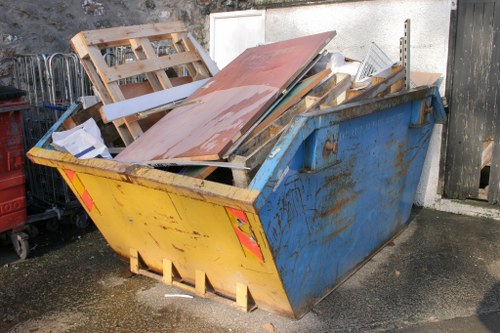
Council large item collection generally refers to the removal of bulky household or commercial items that are too large for standard waste bags or routine bin collections. In London, this service is commonly used for one-off clearances, end-of-tenancy situations, moving house, replacement furniture, and post-refurbishment tidy-ups. It is designed for items that need careful handling, safe lifting, and appropriate disposal routes.
Different boroughs set their own rules for bulky waste collection, so the exact process can vary across the capital. Some councils offer booked collections from the kerbside or from within the property boundary, while others have restrictions on item types, number of pieces, and access conditions. Because London homes and businesses are so varied, it helps to understand what can usually be collected, what needs special treatment, and what preparation is expected before the pickup.
For local customers, the main benefit is convenience. Instead of struggling with heavy items, hiring a van, or trying to carry furniture down narrow staircases yourself, a collection team can manage the lifting, loading, and transport in a safe and organised way. For households, landlords, letting agents, housing managers, and businesses, this can save time and reduce disruption.
Why London Homes and Businesses Often Need Bulky Item Removal

London creates a unique set of challenges for bulky waste. Many properties have limited outdoor storage, controlled access, or shared hallways that make moving large items difficult. A mattress on a fifth-floor walk-up in Camden is not the same as a flat-packed delivery in a suburban driveway. Likewise, a shop in Westminster, a café in Islington, or an office in Canary Wharf may need collections outside standard hours to avoid disrupting customers, tenants, or staff.
There are also practical reasons why items build up. Furniture gets replaced after a move, appliances break down, student accommodation changes hands every year, and landlords need clear properties before a new tenant moves in. In many cases, large items cannot simply be left on the pavement without risking inconvenience, obstruction, or a breach of local waste rules. A planned collection gives you a proper route to clear the item without guesswork.
People often start looking for help when one or more of the following applies:
- They do not have a vehicle large enough to transport the item
- The item is too heavy or awkward to move safely
- There are stairs, narrow corridors, or no lift access
- The waste item is not suitable for normal bin collection
- They need to clear multiple bulky items in one visit
- They want a responsible disposal option rather than an informal dump
What Can Usually Be Collected
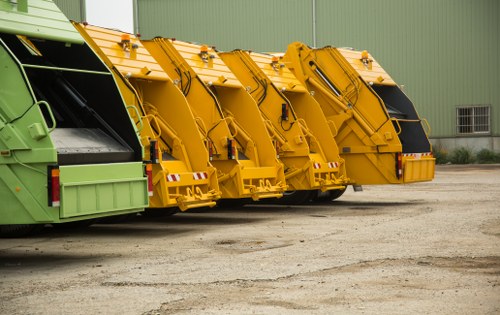
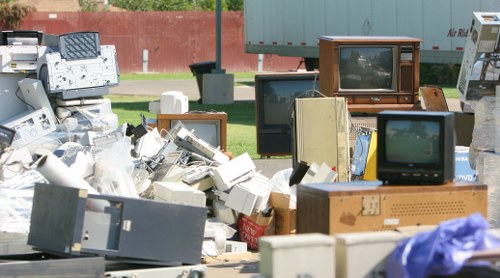
Large item collection services in London typically deal with common bulky waste from homes and businesses. While exact acceptance depends on the council or provider, items often include furniture, white goods, and mixed bulky rubbish. It is useful to separate the sort of items that can usually be handled from those that need special arrangements.
Commonly collected items may include:
- Sofas, armchairs, footstools, and sofa beds
- Mattresses, bed frames, headboards, and wardrobes
- Tables, chairs, shelving, and cabinets
- Desks, office chairs, filing furniture, and conference items
- Fridges, freezers, washing machines, dishwashers, and cookers
- Garden furniture, sheds panels, and outdoor storage items
- Carpets, rugs, and underlay in manageable quantities
- General bulky rubbish from clear-outs or replacements
Some items may be restricted, especially if they contain hazardous components, require de-pollution, or involve special handling. Electrical items, gas appliances, and materials with fluids or chemicals may need separate arrangements. If you are unsure, it is always better to ask before booking so the collection can be planned properly.
Businesses and landlords often need to remove mixed waste alongside large items. In these cases, it helps to identify what is reusable, what can be dismantled, and what should be treated as waste. A well-organised collection reduces the chance of missed items and avoids delays on the day.
How the Service Works
Simple Steps for a Smooth Collection

The process for council large item collection in London is usually designed to be simple, but a bit of preparation makes a big difference. If you are arranging collection through a local service, the steps are often similar whether you are in an apartment block, a house, or a commercial unit.
Typical collection process:
- Identify the items you want removed and note their size, quantity, and any access issues.
- Check access details such as floor level, lift availability, parking restrictions, or restricted entry points.
- Request a quote or booking and provide clear information about the items and location.
- Prepare the items by moving them to a suitable collection point if required and making safe paths available.
- Collection day arrives, and the team loads the items and takes them away for the appropriate disposal route.
In some situations, collection can be made from the front of the property, a communal entrance, or a designated loading area. In others, the team may need to remove items from inside the building. London properties can differ greatly in layout, so it is helpful to mention any gate codes, concierge arrangements, basement steps, tight corners, or loading bay restrictions when you enquire.
For busy households and commercial customers, the appeal is clear: you get a structured collection without having to manage transport, disposal rules, or heavy lifting yourself. That can be particularly helpful for anyone working to a moving deadline or refurbishment schedule.
What Is Included in a Good Local Collection Service
A reliable bulky item collection service should do more than just turn up with a vehicle. Local customers in London usually need a service that is considerate, punctual, and prepared for the realities of city access. The best providers tend to include clear communication, safe loading, and appropriate handling of the items from start to finish.
Here is what customers often look for in a proper collection service:
- Clear description of what can be collected
- Collection for one item or multiple bulky items
- Careful handling in stairwells, hallways, and communal areas
- Loading and transport of the items away from the property
- Responsible sorting and disposal where applicable
- Flexibility for homes, flats, offices, shops, and landlords
- Practical booking options for time-sensitive clear-outs
Many London customers also want reassurance that the team understands local traffic and parking pressures. Central areas, controlled parking zones, permit-only streets, and busy high streets can all affect timing. A local company is often better placed to plan around these constraints and avoid unnecessary disruption.
Book your service now if you want a structured, local solution for oversized waste removal without the hassle of moving everything yourself.
Preparing for Council Large Item Collection
A Practical Checklist for London Properties
A little preparation can make collection day much easier, especially if the item is heavy, bulky, or awkward to access. London properties often have limited space in entrances and hallways, so it helps to make sure the route is clear and any building rules are understood in advance.
Preparation checklist:
- Measure doorways, corridors, stairwells, and lifts if access looks tight
- Separate the items you want removed from items you want to keep
- Remove personal belongings, cushions, drawers, and loose parts if possible
- Defrost fridges or freezers beforehand if they are being collected
- Keep communal walkways and fire exits clear
- Notify concierge, building management, or neighbours if access may be affected
- Arrange parking or loading access where needed
- Make sure pets and children are kept safely away during loading
If the items are already outside, ensure they are placed where collection can be made legally and safely. If they are inside the property, think about whether they can be moved closer to the exit without causing damage to floors or walls. For large wardrobes, beds, and desks, partial dismantling can sometimes make collection faster and easier.
For landlords and agents, it is smart to list everything that needs to go before the team arrives. End-of-tenancy clearances can include a mix of furniture, left-behind belongings, and junk from cupboards or storage spaces. Clear instructions reduce the chance of missed items and repeated visits.
Pricing Factors and What Affects the Quote
Customers often want to know what affects the cost of council large item collection in London. While exact prices are not the same for every property or service provider, the main factors are usually straightforward. Understanding them can help you compare options more confidently and avoid surprises.
Common pricing factors include:
- The number of large items being removed
- The size and weight of the items
- Whether items need to be moved from inside the property
- How difficult access is, including stairs, lifts, and parking
- Whether the collection is for a home, office, retail unit, or mixed-use site
- Any special handling required for appliances or awkward furniture
- Whether the booking is planned in advance or needed urgently
In London, access can make a noticeable difference. A ground-floor property with space to load directly from outside is usually simpler than a top-floor flat with no lift and no parking nearby. That does not mean the work cannot be done; it just means the service needs to be priced and planned around the real conditions on site.
Request a free quote if you want a clear idea of the likely cost based on your item list and location. A good quote should reflect the work involved, not just a vague estimate.
Why a Local London Team Is Useful
Local knowledge matters in a city like this
Choosing a local team for council large item collection in London can be especially helpful because the city is not one-size-fits-all. Access arrangements in a Victorian terrace in Richmond are very different from an apartment block in Stratford or a commercial courtyard in the City. Local experience helps when planning routes, timing, and loading logistics.
A local team is more likely to understand:
- Permit parking and loading restrictions
- Congestion, road works, and busy travel times
- Communal entrances, concierge procedures, and building rules
- Flat conversions, basement levels, and tight staircases
- How to work around residential neighbours and business opening hours
That practical awareness can save time and reduce the chance of a failed visit. It also helps when a collection needs to be completed quickly during a move-out, a refurbishment, or a property handover. For many customers, the biggest benefit is simply knowing that the service is set up for London conditions rather than relying on a generic approach.
Local service is not only about convenience; it is also about having a team that can respond sensibly to the way the city works day to day.
Areas Covered Across London
Large item collection is often needed across the whole capital, from inner boroughs to outer districts. A good local provider should be able to cover a wide mix of residential and commercial areas, including locations with different parking, access, and building types.
Areas commonly served may include:
- Central London locations such as Westminster, Camden, and Southwark
- North London areas including Islington, Haringey, and Barnet
- East London areas such as Hackney, Tower Hamlets, and Newham
- South London areas including Lambeth, Wandsworth, and Croydon
- West London areas such as Ealing, Hammersmith, and Brent
- Outer London districts and surrounding neighbourhoods where access and parking vary widely
This service is useful for all kinds of properties, including council homes, private flats, terraced houses, maisonettes, office floors, retail units, storage rooms, and shared buildings. If your property has specific access arrangements, it helps to mention them early so the booking can be matched to the site properly.
In many London boroughs, bulky item removal is especially useful after major life changes: downsizing, moving in with family, clearing out a deceased estate, replacing old furniture, or making space for renovation work. The right collection saves time and keeps the process manageable.
Residential Customers: Common Situations We See
From single sofas to full home clear-outs
Homeowners, tenants, and landlords all have different reasons for needing council large item collection in London. In many homes, the issue starts with one unwanted item and quickly grows into a longer list. That is especially true when people are preparing for a move or trying to make a property presentable again.
Typical residential jobs may include:
- Replacing a worn-out sofa or bed
- Clearing old furniture after a move
- Removing a broken wardrobe or chest of drawers
- Taking away a mattress from a spare room or guest room
- Emptying a loft, basement, shed, or storage cupboard
- Managing left-behind items after a tenancy ends
London flats and converted buildings often have limited storage space, so bulky waste can become a real obstacle quickly. If you are dealing with a narrow staircase, shared hallway, or limited lift capacity, it is worth using a service that understands careful removal and building etiquette. This helps protect walls, floors, and communal areas while keeping neighbours comfortable.
Tip: if you are clearing multiple rooms, make a simple list by room before you book. That makes it easier to spot forgotten items and helps the collection run more smoothly.
Commercial and Landlord Collections
Businesses in London also rely on large item collection when they need to remove bulky waste without disrupting day-to-day work. Offices upgrade desks, chairs, and storage furniture. Shops replace shelving and display units. Hospitality venues often need to clear dining furniture, fridges, or damaged fixtures. Property managers and landlords, meanwhile, may need a quick turnaround between tenancies or during refurbishments.
Commercial customers usually want:
- Fast and organised collection times
- Minimal interruption to staff, tenants, or customers
- Removal of furniture, appliances, and broken fixtures
- Support for one-off or recurring clearance needs
- Clear communication about access and loading arrangements
Because many commercial premises in London are in busy streets or shared buildings, the collection has to be planned around opening hours and access restrictions. It is often useful to schedule the work early, late, or at a quieter time of day, depending on the site. If your workplace or property has a concierge, loading bay, or building manager, sharing those details at the start can keep everything moving.
For landlords and agents, a reliable collection can also help reduce delays between occupants. When a property needs to be cleaned, decorated, or inspected, leaving a bulky item behind can hold up the next stage. A proper service helps clear the way efficiently.
Responsible Disposal and Reuse Considerations
Many London customers want to know what happens after collection. While the exact route depends on the items and the service provider, responsible handling should always be a priority. Good bulky waste management means sorting items appropriately and directing them to the correct disposal, recycling, or reuse channels where possible.
In practical terms, that may involve:
- Separating recyclable materials where feasible
- Handling appliances with care because of electrical or refrigerant parts
- Considering whether reusable furniture can be diverted from disposal
- Keeping unsuitable items out of general waste streams
- Making sure the process follows local waste rules and site requirements
Customers do not usually need to manage these steps themselves, but it is reassuring to choose a service that treats the job properly from the outset. This is especially important when removing a mixed load from a home, office, or communal building. The cleaner the process, the better for everyone involved.
Do not leave bulky waste to pile up if it is causing access issues, blocking a room, or making a property harder to use. Booking a collection sooner rather than later can prevent the job from becoming more difficult.
Frequently Asked Questions
Real questions London customers ask before booking
Can you collect a single large item?
Yes. Many customers only need one sofa, mattress, wardrobe, or appliance removed. A single-item collection is very common in London, especially after a delivery replacement or a last-minute clear-out.
Do I need to move the item outside first?
Not always. Some collections can be made from inside the property, while others work best from a kerbside or ground-floor access point. It depends on the building, the item, and the booking arrangement.
What if I live in a flat with no lift?
That is common across London. If you tell the team about stairs, narrow landings, or awkward turns in advance, the collection can be planned around the access. This helps avoid delays and protects the property.
Can commercial premises book bulky item collection too?
Yes. Offices, retail units, hospitality venues, and managed buildings all regularly need large item removal. Access times and loading restrictions should be mentioned at the enquiry stage.
What should I do if I have a mix of items?
Make a list of everything you want removed and separate what is staying from what is going. If there are appliances, dismantled furniture, or items stored in different rooms, it helps to describe them clearly.
Is this suitable for urgent clearances?
Often, yes. If you have a move deadline, a tenancy changeover, or an office clearance, ask about the earliest available slot. Early booking is still the best option when possible.
Choosing the Right Service for Your Situation
Not every bulky waste job in London is the same, so it helps to choose a service that matches the type of property, the number of items, and the level of access involved. A good provider should ask the right questions, explain what is included, and make the process feel manageable.
When comparing options, consider whether they can handle:
- One-off collections and larger clear-outs
- Residential and commercial premises
- Items from upper floors or tight access points
- Mixed bulky waste and appliances
- Bookings that need to fit around work, travel, or building schedules
It is also worth thinking about how much time and effort you want to spend on the removal itself. If you would rather not dismantle furniture, carry it through the property, or arrange transport, a professional collection service is the simplest route. That is especially true in London, where parking, traffic, and access can add unnecessary complications to a DIY approach.
Contact us today to discuss your bulky item removal needs, get a quote, and arrange a collection that suits your property and schedule.
Final Thoughts
Council large item collection in London is about more than getting rid of an old sofa or mattress. It is a practical service that helps people deal with the realities of city living: limited space, awkward access, busy streets, shared buildings, and the need for responsible disposal. Whether you are clearing a home, preparing a rental property, or updating a business premises, the right collection service can make a stressful job much simpler.
What matters most is choosing a team that understands London conditions and can work around them properly. From flats with no lift to commercial units with tight loading windows, every property brings its own set of details. When those details are handled well, the whole process becomes smoother, safer, and easier to fit into your day.
If you are ready to clear bulky waste from your property, request a free quote or book your service now. A straightforward collection can free up valuable space and help you move on with your plans sooner.