Sofa Removal and Collection in London
Fast, practical help for getting rid of an unwanted sofa

If you need Sofa Removal and Collection in London, you are probably looking for a service that is simple, flexible, and suited to the realities of local living. Sofas are bulky, awkward to carry, and not easy to move through narrow hallways, tight staircases, basement flats, or buildings with limited lift access. Whether you are clearing one item from a studio flat in Clapham, replacing a corner sofa in a family home in Walthamstow, or removing worn-out office seating from a commercial space in Central London, a local collection service can save a lot of time and stress.
The benefit of using a London-based team is that the service can be arranged around real-life local conditions. Parking restrictions, congestion, timed loading bays, controlled entry, and shared access points all matter when a large item needs to be removed. Professional sofa collection is designed to handle those challenges without turning your day into a heavy-lifting project. Instead of trying to dismantle, transport, and dispose of the sofa yourself, you can arrange a collection that is suitable for your building, your schedule, and the type of item you want removed.
For many customers, the main reason to book this service is convenience. But there are other important factors too: safe handling, responsible disposal, and making sure the item goes through the right channel for reuse, recycling, or lawful waste processing. If you want a straightforward way to clear space in your home or workplace, sofa removal in London is a practical solution that fits busy city life.
Why local sofa collection matters in London
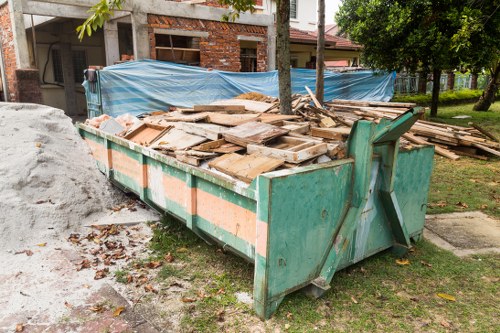
London is unlike many other places when it comes to furniture removal. The city’s housing stock ranges from Victorian terraces and mansion blocks to modern apartment developments, converted warehouses, tower blocks, and office buildings. Each type of property brings its own access problems. Some sofas can be carried straight out with little effort, while others need careful planning to avoid scuffs, wall damage, or issues with shared communal areas. A local collection team understands these differences and arrives prepared for them.
Traffic and access are also part of the picture. In many parts of London, there may be limited roadside stopping, single yellow lines, resident permit zones, or narrow roads where a large van must be parked carefully. In commercial districts, there may be loading restrictions or limited collection windows. An experienced sofa disposal service will factor these details into the booking, helping the job move smoothly and reducing the chance of delays. That is particularly useful if you are trying to coordinate a collection with a delivery of a replacement sofa or with end-of-tenancy deadlines.
There is also the question of scale. Some customers need a single armchair or two-seater removed; others have several items, such as recliners, sofa beds, office lounge seating, or sectional pieces that need dismantling before they can be carried out. Local teams working across London are used to handling different item sizes and layouts, which makes the service more flexible than trying to manage the job alone.
Who uses sofa removal and collection services?
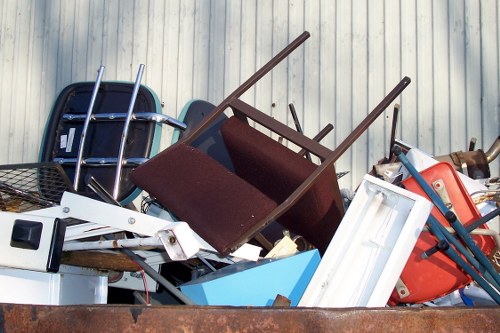
This service is used by a wide range of customers across the capital. Homeowners may need old furniture removed after a refurbishment or when redecorating a living room. Renters often need a fast collection at the end of a tenancy, especially when the sofa is too worn to keep or too difficult to move to a new home. Landlords and letting agents may book collections between tenants to prepare a property for viewings or new occupants.
Businesses also rely on sofa removal and collection in London. Offices may need reception seating cleared out during a fit-out or rebrand. Hotels, serviced apartments, and hospitality venues may replace lounge furniture to keep interiors fresh and functional. Charities, schools, care settings, and community organisations may also need old sofas taken away safely and efficiently when updating common areas.
There are plenty of situations where a sofa is no longer worth keeping but is still too large and awkward for ordinary waste collections. If you are facing this problem, booking a local removal team is often the most sensible approach. It helps you avoid the hassle of hiring a van, lifting a heavy item yourself, and working out where the sofa can be taken.
What the service usually includes
A good sofa removal service should be clear, practical, and focused on making the process easy for you. While every job is different, customers usually want to know what is covered before they book. The following is a typical outline of what a sofa collection service in London may include:
- Collection of one or more sofas from homes, flats, offices, or commercial premises
- Careful moving from the room where the item is located
- Loading and transport by a suitable vehicle
- Handling of bulky, heavy, or awkward items that need extra care
- Possible dismantling of larger pieces if needed for access
- Responsible disposal, recycling, or onward processing where appropriate
- Flexible scheduling to suit residential and business customers
In many cases, the work starts with a quick description of the sofa and the access at your property. This helps the team understand whether the item is on a ground floor, in a lift-access apartment, or up several flights of stairs. It also helps to know whether the sofa is a straightforward two-seater, a large L-shaped sectional, or a sofa bed with a heavy frame. These details make the collection more efficient and reduce the chance of surprises on the day.
Some customers also ask whether cushions, loose pieces, or extra furniture can be removed at the same time. That often depends on the nature of the booking and the amount of waste involved. If you have a sofa plus chairs, tables, mattresses, or old cabinets to clear, it is sensible to mention everything up front so the collection can be planned properly.
How sofa collection works
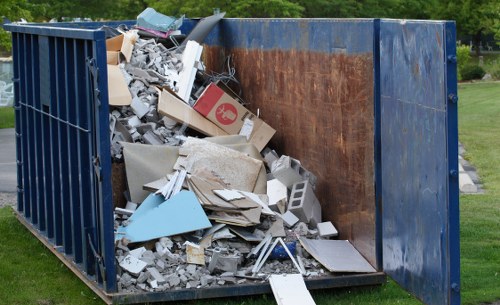
The process should be simple from the customer’s point of view. Most people want a service that is easy to arrange and does not take up much of their time. A typical sofa collection process in London works like this:
- You describe the sofa or sofas that need to be removed, along with the property type and access details.
- A collection time is arranged that works for your schedule.
- The team arrives with the right vehicle and lifting equipment for the job.
- The sofa is moved carefully out of the property, with attention to walls, floors, and shared areas.
- The item is loaded and taken away for appropriate handling.
- You are left with the space cleared and ready for its next use.
Good communication matters. London buildings often have rules about access, delivery times, or parking. If the collection team knows these in advance, they can plan accordingly and make the visit more efficient. This is particularly important for upper-floor flats, managed developments, and properties with concierge systems.
If your sofa is especially large, damaged, or difficult to move, the team may advise on the safest way to remove it. In some cases, partial dismantling can make the job easier. This is common with sofa beds, corner sofas, and large modular units that were delivered in sections and may need to leave the property the same way.
Common London access challenges and how they are handled
One of the reasons people choose a local removal team is that London properties often present obstacles that are hard to predict if you are not used to working in the city. A sofa may need to pass through tight hallways, around sharp corners, or down steep staircases. In period buildings, door frames can be narrow and landings can be small. In newer apartment blocks, lifts may be too compact or subject to restrictions. A professional team plans for these details rather than treating the removal as a standard job.
Parking can also affect the collection. In areas such as Islington, Hackney, Westminster, Camden, or Southwark, space may be limited and loading may require careful timing. In outer boroughs, long access paths or shared driveways can still make moving furniture a challenge. A local service understands how to work within these conditions while keeping the process safe and orderly.
For commercial customers, there may be extra considerations such as building management approval, access badges, service entrances, or restricted collection windows. By booking a team used to London conditions, you reduce the chance of delays and make it easier to fit the removal into your wider schedule. That is especially valuable for offices, shops, and hospitality venues where downtime needs to be minimised.
Helpful for flats, maisonettes, and managed buildings
London flats and apartment blocks often require more planning than a house in a quiet suburb. Shared hallways need to be protected, and noise or disruption may need to be kept low. A careful sofa removal service respects neighbours and building rules while still completing the job efficiently.
What can be removed?
Most customers are asking about a sofa, but the service often covers more than just one item. Depending on the setup, a collection team may be able to take away a range of upholstered furniture and related items. This can be especially useful when you are replacing several pieces at once.
- Two-seater and three-seater sofas
- Corner sofas and sectional units
- Sofa beds and futons
- Recliner sofas and armchairs
- Office lounge seating
- Waiting room furniture
- Damaged or broken sofas
- Old and unwanted upholstered items
Some sofas may be suitable for reuse, while others may be too worn, stained, or damaged and will need different handling. A responsible collection service will assess the item and manage it in the most appropriate way available. Customers usually appreciate clear, practical advice on whether the sofa can be moved as a whole or whether it needs to be partially dismantled.
If you are clearing a property, it can also be helpful to arrange removal of nearby items at the same time. That may include loose furniture, broken tables, cushions, small waste items, or accessories from the same room. Combining items can sometimes make the job more efficient and save repeat visits.
Pricing factors: what affects the cost?

People often ask how pricing is worked out for London sofa collection. While exact costs vary between providers and jobs, there are some common factors that usually affect the quote. Understanding these factors helps you request a more accurate estimate and avoid surprises.
The main considerations often include the size and weight of the sofa, how easy it is to access, whether it needs dismantling, the number of items being removed, and the time required on site. A ground-floor sofa with easy parking will usually be simpler than a heavy corner unit on the fifth floor of a building with no lift. Similarly, a single item collection is different from a larger clearance involving several pieces of furniture.
Location within London can matter too, not because the service changes in quality, but because travel, congestion, and parking conditions affect how a job is planned. For local customers, it is usually best to give a clear description from the start. That helps the team provide a realistic quote and match the vehicle and crew size to the work.
Useful information to share when asking for a quote:
- Type of sofa: two-seater, three-seater, corner, sofa bed, recliner, and so on
- Number of items to be removed
- Floor level and lift access
- Parking or loading restrictions
- Whether the sofa can be taken out in one piece
- Any awkward turns, stairs, or narrow doors
- Preferred collection time and any building access rules
Preparing for your sofa collection
A little preparation can make the collection quicker and easier for everyone. You do not usually need to do major work yourself, but small steps before the team arrives can help the removal go smoothly. If you live in a busy part of London or in a managed property, preparation is even more useful because access may be time-sensitive.
Preparation checklist:
- Clear small items from around the sofa, such as cushions, throws, and side tables
- Make sure doorways and hallways are free of obstacles
- Check whether pets or children need to be kept safely away from the work area
- Tell the team about any stairs, tight corners, or fragile surfaces
- Arrange access codes, intercom details, or concierge instructions if needed
- Think about parking or loading space near the property
- Let the team know if any part of the sofa is already damaged or unstable
If you are in a flat, it can be worth warning neighbours or building management if the removal is likely to involve extra noise or shared access. For larger properties, moving other items out of the way can also help create a clear route. These are small steps, but they can make a real difference to how fast the work is completed.
If the sofa is in a room with limited turning space, measure the doorway or stairway if you can. Even approximate measurements can help the removal team decide whether dismantling is likely to be needed. You do not need to overthink it; just providing useful information is enough.
Responsible disposal and environmental care
Many customers want the sofa removed quickly, but they also care about what happens next. A reputable furniture collection service should handle the item responsibly, with an approach that supports reuse, recycling, and proper waste management where needed. That is important in a city like London, where space is limited and the impact of bulky waste is visible.
When a sofa is collected, the next step depends on its condition and the handling options available. Some items may be suitable for reuse or components recovery. Others may need to be processed as waste in line with current rules and local requirements. The key point for customers is that the item should not simply be dumped or left to create a problem elsewhere. Responsible disposal protects your property, the local area, and the wider environment.
This is one of the reasons people prefer a local, professional team over trying to arrange a DIY disposal. You do not need to work out the logistics, transport, or disposal route yourself. Instead, you can rely on a service that understands how to move bulky furniture through London and handle it properly afterwards.
Why choose a local London company?
There are several good reasons to choose a local company for sofa removal and collection in London. First, local teams are familiar with the city’s roads, building layouts, and common access issues. That practical knowledge can make a big difference when the sofa is large, the street is busy, or the building has awkward access.
Second, local services are often better placed to offer convenient booking options. London customers usually want removals to fit around work, school runs, deliveries, or lease handovers. A team based in or around the city is more likely to understand those pressures and provide a service that feels realistic and responsive.
Third, a local provider is usually better suited to a mix of residential and commercial jobs. A single sofa in a first-floor flat in Brixton is a different task from clearing a reception lounge in Canary Wharf or removing seating from a shop in Shepherd’s Bush. The best local services recognise that variety and adjust accordingly.
Local knowledge can help with:
- Parking and loading restrictions
- Managed apartment access
- Busy streets and timed entry windows
- Shared hallways and communal areas
- Different property types across London boroughs
Areas covered across London
Customers across the capital often look for sofa collection near their home or business premises. A local service may cover many parts of London, including inner and outer boroughs, central districts, and surrounding neighbourhoods. Typical service areas can include areas such as Camden, Islington, Hackney, Tower Hamlets, Greenwich, Lewisham, Southwark, Lambeth, Hammersmith and Fulham, Westminster, Kensington and Chelsea, Wandsworth, Richmond, Ealing, Brent, Barnet, Haringey, Newham, and others across the city.
The exact coverage depends on the provider, but the key benefit of using a London-focused team is simple: they understand the rhythm of the city and can work around it. That is especially useful if you need a collection in a busy residential street, an office district, a housing estate, or a building with limited visitor parking.
What makes this service useful for customers ready to book?
When someone searches for a sofa removal service, they are usually not browsing out of curiosity. They have a sofa that needs to go, and they want a reliable, low-stress way to make it happen. A strong local service page should answer the questions that matter at that stage: how it works, what is included, how easy it is to arrange, and why choosing a local team is worthwhile.
The value of a good collection service is not just in taking the sofa away. It is in making the whole process manageable. That means clear communication, careful handling, practical scheduling, and an approach suited to London properties. It also means giving customers confidence that the job will be completed properly, without making them lift heavy furniture or guess what to do next.
If you are dealing with a one-off item or a larger furniture clear-out, booking a sofa collection in London can free up space quickly and efficiently. It is a sensible option for people moving home, refurbishing a room, changing office layout, or dealing with an old item that has simply reached the end of its life.
Ideal times to book a collection
Many customers arrange sofa removal when a new sofa is being delivered, before an end-of-tenancy inspection, during a house move, or while updating a room. Others book when a sofa becomes too damaged, stained, or uncomfortable to keep. Whatever the reason, the main benefit is that the item is dealt with promptly and professionally.
Frequently asked questions
Can you collect a sofa from a flat or apartment?
Yes, that is one of the most common types of booking in London. Flats, apartments, and converted buildings are all part of everyday collection work. The key is to share access details in advance so the team can plan for stairs, lifts, and any building rules.
Do I need to move the sofa outside first?
No, not usually. The purpose of the service is to remove the sofa from inside the property where possible. If there are access limitations, the team can advise on what is needed before the visit.
Can you take a sofa bed or corner sofa?
Yes, in many cases. These items can be heavier or more complex to remove, so it helps to mention the type of sofa when booking. If dismantling is needed, that can often be planned in advance.
What if the sofa is damaged or broken?
That is fine. Broken or heavily worn sofas are often collected for disposal. Let the team know about any damage, because it may affect how the item needs to be moved.
Can you remove other furniture at the same time?
Often yes, depending on the booking and the amount of items involved. Many customers combine sofa removal with other household or office furniture to save time and avoid repeat visits.
How quickly can a collection be arranged?
Availability depends on schedule and location, but local services are often chosen because they can be more flexible than larger, less focused options. If you need the item gone by a certain date, mention that as early as possible.
Ready to clear your sofa?
If you need an easy way to remove an unwanted sofa, a local collection service is one of the simplest options available. It saves you from heavy lifting, transport problems, and disposal uncertainty, while also helping you deal with the item in a responsible way. For homes, flats, offices, and commercial spaces across the city, Sofa Removal and Collection in London is a practical service that fits the pace of local life.
Whether you are dealing with a single sofa, a bulky corner unit, or several pieces that need to go at once, the process can be arranged around your needs. Request a free quote, book your service now, or contact us today if you are ready to clear the space and move on with your plans. A straightforward collection can make a big difference, especially when time, access, and convenience all matter.