Waste Collection in London
When you need waste cleared quickly, safely, and with as little disruption as possible, having a local team makes all the difference. Waste collection in London is not just about removing unwanted items; it is about handling the realities of city living and working. From tight terraced streets and basement flats to busy offices, retail units, managed buildings, and construction sites, London properties come with their own challenges. A reliable collection service helps keep spaces clear, compliant, and ready for use without the stress of arranging transport, lifting heavy rubbish, or dealing with trips to the tip.
Whether you are clearing a few bags after a home declutter, removing bulky furniture from a flat, or arranging regular collections for a business, the right service should feel straightforward from the start. London residents often need flexibility, because parking can be limited, access can be awkward, and waste types can vary from one job to the next. That is why a local approach matters: it allows collections to be planned around your property, your schedule, and the practical realities of the area.
Many customers also want reassurance that their waste is handled responsibly. A professional collection service should be clear about what can be taken, how items are loaded, and what happens after the collection. If you are looking for a dependable option for household, office, garden, or builders’ waste, this page explains what to expect, what is included, and how to prepare so the process runs smoothly.
Local waste collection for homes and businesses
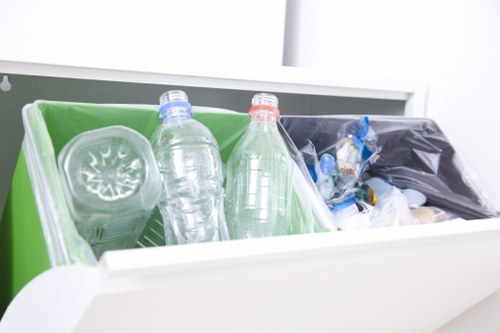
London is made up of many different property types, and each one creates different waste removal needs. In a Victorian terrace in Islington, access may be narrow and storage space limited. In a modern apartment block in Canary Wharf, you may need careful coordination with building management. In a shop in Kensington or a café in Shoreditch, waste may need to be removed outside busy trading hours. A local collection team understands these situations and can adapt the job to suit them.
For homeowners, waste collection often comes after a clear-out, renovation, move, or garden project. It might include old furniture, broken appliances, general household rubbish, or bags of mixed items. For landlords and letting agents, collections are often needed between tenancies, after tenant clearances, or before new occupants move in. For businesses, the priority is usually speed and consistency, especially when stockrooms, offices, hospitality spaces, or commercial premises need to be kept tidy and operational.
Waste collection in London works best when it is planned around the real-world constraints of the city. Parking restrictions, congestion, loading bays, stairs, lift access, and narrow entrances can all affect the job. A good local service takes these into account before arrival, which saves time and helps avoid unnecessary disruption for neighbours, staff, or customers.
What can be collected?

Waste collection services in London usually cover a wide range of non-hazardous items. This is one reason customers prefer them to making multiple trips to disposal sites. Instead of hiring a van, lifting heavy items yourself, and working out where everything needs to go, you can have most of it taken in one visit. The exact items accepted may vary, but common collections include:
- General household rubbish and black bags
- Bulky furniture such as sofas, wardrobes, tables, and chairs
- Appliances like fridges, freezers, washing machines, and microwaves
- Mattresses, bed frames, and bedroom furniture
- Office furniture, desks, shelving, and filing cabinets
- Retail waste, stockroom clearances, and packaging materials
- Garden waste such as branches, hedge cuttings, and soil in manageable amounts
- Builders’ waste, including timber, plasterboard, bricks, tiles, and rubble where accepted
It is important to be realistic about waste type and volume. Some items may need separate handling, especially if they are heavy, awkward to move, or classed differently for disposal. If you are unsure whether something can be collected, it is better to ask in advance than to discover on the day that additional arrangements are needed.
A professional team should explain any restrictions clearly, including items that are not suitable for standard collection. That helps you plan with confidence and avoid delays. If you need a mixed load taken away, this can often be arranged, provided everything is safe to lift and within the service scope.
How the service works

Most customers want a process that is quick, simple, and predictable. A well-run waste collection service should make it easy to move from enquiry to completion without unnecessary steps. While exact arrangements may vary, the process usually follows a few clear stages.
First, you describe the waste and share details about the property, access, and timing. This helps the team understand whether it is a small domestic job, a full clearance, or a larger commercial collection. In London, those details matter because a ground-floor flat with driveway access is very different from a top-floor apartment with no lift and restricted parking.
Then the collection is arranged for a convenient time. On arrival, the team assesses the items, confirms the load, and begins removal. If needed, they can work around stairs, tight hallways, internal courtyards, or loading restrictions. Once the waste is loaded, the area is left tidy and the items are taken for the appropriate disposal or sorting route.
Typical steps in a waste collection
- Provide an outline of the waste and location
- Discuss access, parking, and any building rules
- Agree a suitable collection time
- Prepare the items or rubbish for easy loading
- Have the waste removed from the property or site
- Finish with a tidy-up of the collection area where applicable
This type of service is especially useful when time is limited. If you are preparing a property for sale or tenancy, clearing a cluttered workspace, or dealing with the aftermath of a renovation, fast removal can help you move forward without disruption.
Why a local London team is useful
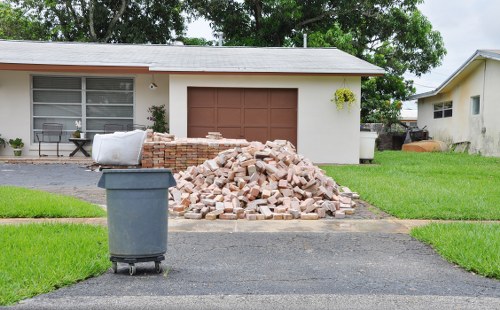
Choosing a local company for waste collection in London offers practical advantages. The city’s road network, parking regulations, traffic patterns, and building layouts can make waste removal more complicated than it first appears. A local team is more likely to understand how to plan around those issues and avoid common problems.
For example, in central and inner London areas such as Westminster, Camden, Southwark, Hackney, Tower Hamlets, and Lambeth, access can be especially tight and timing often needs careful coordination. In outer boroughs such as Ealing, Barnet, Greenwich, Hounslow, and Croydon, the challenges may be different, with larger domestic plots, shared access roads, or mixed residential and commercial premises. A local service can adapt to both.
Local knowledge also helps with timekeeping. If a team understands where loading bays are likely to be available, how long collections usually take in a given area, and what building managers may require, the job can be handled more efficiently. That means less waiting around for the customer and fewer interruptions for neighbours, tenants, or colleagues.
Common London access challenges
These are some of the everyday issues that local waste collection teams often encounter:
- No on-site parking or short loading windows
- Flats above street level with several flights of stairs
- Basement properties with narrow entry points
- Shared entrances in mansion blocks and estates
- Busy roads where stopping must be planned carefully
- Office buildings with concierge or management requirements
When these issues are handled properly, the whole service feels much easier for the customer. That is one of the biggest benefits of choosing a team that knows London well.
What is included in the service?
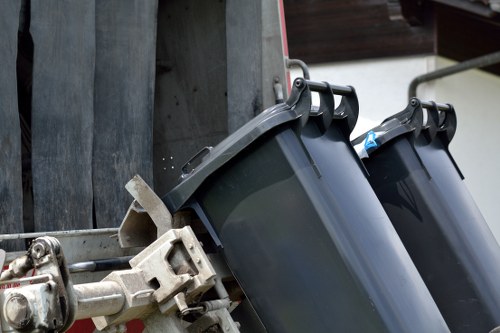
Customers often want to know exactly what they are paying for. While packages vary, a professional waste collection service usually includes more than just the act of carrying rubbish away. It should offer a clear, practical solution from start to finish.
Typical inclusions may be:
- Collection from homes, flats, offices, shops, or sites
- Manual lifting and loading of agreed waste items
- Handling of bulky or awkward items where safe to do so
- Removal from front gardens, driveways, yards, basements, or internal areas
- Sorting of items for recycling or suitable disposal routes where applicable
- Clean finish in the collection area, depending on the job type
Some jobs are straightforward, such as a few bags or a single piece of furniture. Others involve multiple rooms, commercial storage areas, or mixed waste after refurbishment. The service should be flexible enough to cover both. If the waste is in a difficult position, it is worth mentioning that early so the team can plan the right manpower and equipment.
It is also useful to ask what is not included. That may involve access limitations, restricted waste types, or items that need special handling. Clear expectations help everyone, particularly in busy London settings where timing and access can change quickly.
For many customers, the value lies in avoiding the hassle of arranging transport, finding disposal points, and lifting heavy material through tight corridors or down staircases. A dependable collection service saves time and reduces the risk of damage to the property or injury during DIY removal.
Waste collection for homes, landlords, and tenants
Domestic clear-outs across London
Household waste collection is one of the most common requests in the city. London homes often accumulate items over time because storage is limited and busy routines leave little opportunity to deal with unwanted clutter. A domestic collection can help after spring cleaning, house moves, bereavement clearances, or general decluttering.
In smaller flats, even a moderate amount of waste can become hard to manage. Old wardrobes, beds, and broken appliances may take up valuable space and make the home feel crowded. Families living in terraced houses may also need help after loft clearances, kitchen upgrades, or garden jobs. In every case, the aim is the same: remove the waste quickly so the home feels usable again.
Landlords and letting agents also rely on waste collection when a property has been left with unwanted furniture, mixed rubbish, or bulky items. This is particularly useful in busy rental areas such as Fulham, Clapham, Stratford, Kilburn, and Peckham, where turnover can be frequent and a fast turnaround is often important before new tenants move in.
Support for tenants moving out
For tenants, waste collection can ease the pressure of moving. Rather than leaving a pile of items behind or arranging several trips to the local disposal site, a one-off collection can deal with what is left at the end of a tenancy. This is especially helpful if you have furniture to get rid of, packaging from a recent move, or bits and pieces that no longer need to travel with you.
Preparing well helps keep the process simple. If possible, group the items together, separate anything you want to keep, and make sure the team can reach the waste without unnecessary obstruction. In properties with shared hallways or block-managed access, it may be worth checking building rules in advance.
Useful preparation for domestic jobs
- Separate keep items from waste before the collection day
- Break down flat-pack furniture where practical
- Make hallways and entrances clear
- Let the team know about stairs, lifts, or access codes in advance
- Put smaller rubbish into bags or boxes if asked to do so
Commercial waste collection for London businesses
Businesses across London need waste collection that keeps pace with day-to-day operations. Offices generate everything from packaging and old electronics to furniture and archive material. Shops and retail units often need support after refits, deliveries, or stock changes. Hospitality venues may need regular removal of mixed waste after busy trading periods. For each of these settings, reliability is essential.
Commercial customers usually want a service that is efficient, discreet, and mindful of opening hours. Waste should be collected with minimal disruption to staff and visitors. In central districts such as the City, Soho, Fitzrovia, and Victoria, collections may need to be timed carefully to fit around footfall, road access, and building rules. For industrial or mixed-use locations in areas like Wembley, Park Royal, or parts of East London, the emphasis may be on larger volumes and quicker turnaround.
Waste collection in London for business customers can also support compliance and housekeeping. Clear stockrooms, tidy back-of-house areas, and managed recycling streams help staff work safely and more efficiently. A well-organised collection can make a space feel more professional and less cluttered, especially when clients, tenants, or visitors are on site.
Examples of commercial waste needs
- Office desk and chair removals
- Shop refit waste and packaging
- Warehouse clearances
- Hospitality venue clear-outs
- Clinic, salon, and studio furniture removal
- End-of-lease commercial clearances
If your business needs recurring collections, it helps to have a local provider that understands how your premises work and can adapt to busy periods. That makes planning easier and reduces pressure on your team.
Pricing factors and what affects the cost
Customers often ask what affects the cost of a waste collection. While exact pricing depends on the provider and the specific job, there are several common factors that usually influence the quote. Understanding these can help you compare services fairly and know what information to provide when requesting a quote.
Typical pricing factors include:
- Volume of waste to be collected
- Type of waste and how it must be handled
- Number of items, especially bulky furniture or appliances
- Ease of access and amount of labour involved
- Stairs, lifts, distance from the property to the vehicle, and parking conditions
- Whether the job is domestic, commercial, or site-based
- Urgency and preferred time slot
In London, access often has a major impact. A small amount of rubbish from a ground-floor property with easy parking may be much simpler than the same amount from a fifth-floor flat with no lift and restricted street access. This is why a clear description of the location matters so much when requesting a quote.
Good providers will ask questions before the collection rather than guessing. That helps reduce surprises and makes the booking more accurate. It is also a sign that the service is being planned properly rather than rushed.
If you are trying to budget, it is sensible to list the main items in advance and mention any special circumstances. That gives a better idea of the likely workload and helps avoid unnecessary delays on the day.
Preparation checklist before collection
A little preparation can make a big difference to how smoothly the job goes. You do not need to do heavy lifting yourself, but there are a few simple steps that can help the team work efficiently and reduce the risk of issues on the day.
- Identify everything that needs to be taken away
- Separate waste from items you want to keep
- Make sure paths, hallways, and access points are clear
- Tell the team about stairs, loading bays, gates, or security entry
- Check whether your building has collection rules or time restrictions
- Move cars if they block access, if possible
- Keep children and pets safely out of the way during collection
For larger properties, it can help to group waste by room or area. This is especially useful for house clearances, office clear-outs, and renovation jobs where items may be spread across several spaces. If there are fragile surfaces, narrow corridors, or items that should not be damaged during removal, pointing these out early will help the team work carefully.
In busy London streets, timing is often important. Try to choose a collection window that gives enough room for traffic, parking, and access to the property. If a building manager, concierge, or caretaker needs to be informed, it is wise to arrange that before the day of the collection.
Areas covered across London
Waste collection services are used throughout the capital, from central boroughs to outer residential districts. A local provider should be able to cover a wide range of areas and adapt to the different property types found across the city.
Common locations include, but are not limited to:
- Central London areas such as Westminster, Soho, Covent Garden, and the City
- North London locations such as Camden, Islington, Highbury, Finchley, and Barnet
- East London areas including Hackney, Stratford, Bow, Bethnal Green, and Canary Wharf
- South London areas including Lambeth, Southwark, Clapham, Peckham, Lewisham, and Wimbledon
- West London areas including Kensington, Chelsea, Hammersmith, Ealing, Hounslow, and Acton
- Outer boroughs and mixed residential zones across Greater London
This broad coverage matters because many customers live or work in places with very different needs. A collection in a period terrace in Tooting may look very different from one in a modern office suite near Liverpool Street or a shop unit in Shepherd’s Bush. Local familiarity helps a team plan the right approach quickly.
If your property is just outside the most central areas, it is still worth asking. Many customers need collections from surrounding London neighbourhoods where parking, road access, and access restrictions can still present the same kinds of challenges.
Why customers choose professional waste collection
There are plenty of reasons people across London choose a professional service instead of handling waste themselves. For some, the main reason is convenience. For others, it is about safety, speed, or the need to clear a property before a deadline. In many cases, it is a combination of all three.
Common benefits include:
- No need to hire transport or make repeated disposal trips
- Less lifting, carrying, and physical strain
- Faster clearing of homes, business premises, and sites
- Support for awkward access and bulky items
- A tidier, more usable space at the end of the job
- More practical handling of mixed loads and time-sensitive clearances
Customers also value peace of mind. Knowing that the waste is being taken away by people who understand the logistics of London can make a stressful job feel much more manageable. This is especially true if you are dealing with a property move, renovation, urgent clearance, or a commercial deadline.
In short, the service is not just about removal. It is about restoring order and helping you move on to the next stage with less hassle.
Frequently asked questions
How do I know what type of waste collection I need?
If you are clearing a few items from a home, a standard domestic collection may be enough. If you are removing furniture from several rooms, dealing with office contents, or clearing a building after works, you may need a larger or more specialised service. The best approach is to describe the waste and the property access so the team can recommend the right option.
Can waste be collected from flats and upper floors?
Yes, provided the items can be safely carried out and access is suitable. Many London jobs involve upper-floor flats, basement properties, and buildings with narrow staircases or lift access. It helps to mention these details early so the team knows what to expect.
What if I have mixed waste?
Mixed waste is common in London homes and businesses. A collection service can often take a combination of bags, furniture, and bulky items, as long as everything falls within the accepted service type. If you have a particularly varied load, listing the main categories in advance is useful.
Do I need to move the items outside first?
Not usually. Many customers prefer a service that collects waste from inside the property, the garden, the garage, or another accessible area. However, if access is difficult or building rules apply, it may help to place items somewhere easy to reach before the team arrives.
How far in advance should I book?
That depends on how urgent the job is and how flexible your timing is. Some customers need a fast collection due to a move, handover, or business opening. Others prefer to book ahead. If you have a deadline, it is best to request a slot as soon as possible.
Can I arrange recurring collections for a business?
Yes, recurring collections can be useful for offices, retail units, hospitality venues, and other commercial premises. A regular arrangement helps keep spaces tidy and reduces the build-up of waste over time.
Book waste collection in London
If you need rubbish removed without the stress of doing it yourself, a local collection service is often the simplest solution. Whether you are clearing a flat in Camden, a shop in Chelsea, an office in the City, or a family home in South London, the right team can make the process quicker and easier from the first call to the final load.
Contact us today to discuss your waste, get a tailored quote, and arrange a collection time that suits your property and schedule. If you are ready to clear space and move the job forward, request a free quote and book your service now.
From one-off household rubbish removal to larger commercial clearances, professional waste collection in London offers a practical way to deal with unwanted items efficiently. When access is difficult, time is limited, or the load is simply too much to manage alone, a local service gives you a straightforward path to a cleaner, more usable space.