Sofa Removal in London
If you need Sofa Removal in London, you’re probably looking for a service that is quick, careful, and practical from the moment you make the enquiry to the moment the item is lifted away. Whether you are clearing a flat in Islington, replacing furniture in a townhouse in Clapham, or managing an office fit-out in Canary Wharf, sofa removal is one of those jobs that can look simple until you have to move a bulky item through narrow staircases, tight hallways, or shared entrances.
London homes and workplaces come in all shapes and sizes, and that is exactly why a local removal team matters. A good sofa collection service understands basement flats, Victorian terraces, mansion blocks, mansion-style conversions, modern apartments with lifts, and commercial buildings with loading restrictions. If your sofa is too large for the lift, too heavy for one person to carry, or simply no longer needed, professional help can save time, effort, and a lot of stress.
This page is designed for real customers who want a straightforward answer: how sofa removal works, what it includes, what affects the cost, and how to prepare. If you want to book your service now or request a free quote, read on to see what to expect from a reliable local team.
Why people choose sofa removal services in London
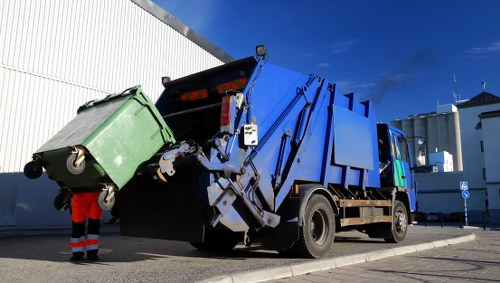
There are plenty of reasons why residents and businesses arrange sofa removal rather than trying to do it themselves. The most common one is size. Sofas are awkward to move, especially when they have solid arms, corner sections, recliners, or internal frames that make them heavier than they look. In many London properties, the route out of the building can be just as challenging as the sofa itself.
Another reason is convenience. Many people are dealing with a replacement delivery, a tenancy changeover, or a renovation, and they need the old sofa gone quickly so the next stage can happen on time. A professional collection service helps avoid delays and keeps your space clear for decorators, new tenants, or fresh furniture delivery.
There is also the issue of disposal. Some sofas are beyond repair, some are too worn for donation, and others are simply not needed anymore. A local removal company can handle the uplift and make sure the item is dealt with appropriately, taking one more task off your list.
Common situations we help with
Customers usually contact a sofa removal team when they are facing one of the following situations:
- Moving out of a flat or house and need old furniture removed
- Replacing a sofa after delivery of new furniture
- Clearing a rental property between tenancies
- Managing office, retail, or hospitality furniture changes
- Handling bulky items that won’t fit in a car or van without proper loading
What our sofa removal service includes
A well-organised sofa collection should do more than just show up and take the item away. It should be planned around access, timing, and the type of furniture you need moved. For many customers, the best service is one that makes the process simple from start to finish while keeping disruption low.
Depending on the job, a sofa removal service may include careful lifting, carrying the sofa from the room to the vehicle, handling tight corners or stairwells, and loading the item safely. In some cases, the team may also remove matching chairs, footstools, sofa beds, modular sections, or other unwanted furniture at the same time.
Important: the exact approach depends on the property and the item. For example, a second-floor flat in Peckham may require different planning than a ground-floor office in Shoreditch or a detached house in Richmond with side access. That is why local knowledge makes such a difference.
Typical items that can be collected
Many customers ask whether the team can take more than just a standard sofa. In most cases, the answer is yes, as long as the item can be safely moved and is suitable for collection.
- Two-seater, three-seater, and larger sofas
- Corner sofas and modular seating
- Sofa beds and pull-out couches
- Armchairs and recliners
- Footstools and ottomans
- Office seating and waiting-room furniture
How sofa removal works

The process should be easy to understand and easy to arrange. Most customers want a service that fits around work, family, building access, and delivery schedules. The most reliable approach is one that keeps communication simple and makes the collection itself as efficient as possible.
First, you describe the sofa or sofas you need removed. This may include the size, type, floor level, and any access challenges such as narrow hallways, shared staircases, or limited parking. In London, those details matter. A property in Camden, for instance, may have a different access route than one in Wandsworth, and a good team will factor that in before arriving.
Next, a suitable collection time is arranged. On the day, the team should arrive prepared to assess the item, navigate the access route, and remove the furniture carefully. Once the sofa is loaded, the job is complete and your space is left clear for whatever comes next.
What makes the process smoother
When customers prepare well, the job tends to run more smoothly. A few small steps can save time and reduce the chance of complications.
- Measure the sofa and note any oversized sections
- Check stairways, lifts, and doorways in advance
- Move fragile items away from the collection route
- Reserve parking or loading space where possible
- Tell the team about any access codes, concierge rules, or time restrictions
London access challenges that matter
One of the biggest reasons people choose local sofa removal in London is that the city presents very real moving challenges. A sofa that would be easy to remove from a suburban house can become a difficult lift in a busy central location. Shared entrances, controlled parking zones, one-way streets, and narrow roads can all affect how a collection is planned.
In many parts of London, parking is limited or heavily controlled. That means the vehicle may need to be positioned carefully to avoid delays and unnecessary carrying distance. In some apartment blocks, lift access may be available, but only for certain hours or only if the item fits within the lift dimensions. In older buildings, staircases can be steep, cramped, or awkwardly turned, which makes experience and proper lifting technique very important.
Local service is especially valuable in areas with dense housing and busy traffic such as Hackney, Hammersmith, Fulham, Westminster, Southwark, Ealing, and Tower Hamlets. A team that works across London regularly understands how to plan around these conditions, which helps keep the removal efficient and safe.
Examples of property types we commonly see
Different London homes and workplaces create different removal needs. The following are common examples:
- Basement and garden flats with tight access
- Victorian and Edwardian terraced houses with narrow hallways
- New-build apartments with lift booking rules
- Commercial premises with loading bays and time slots
- Shared office spaces and co-working sites with reception procedures
Why choose a local company for Sofa Removal in London

Working with a local team brings practical advantages that matter on the day. A local company is more likely to understand the pace of London traffic, common property layouts, and local access restrictions. That means better planning and fewer surprises when the collection time arrives.
It can also make communication easier. When someone knows the area, they can often anticipate whether a job in Brixton might involve a narrow residential street, whether an Islington flat is likely to have a communal staircase, or whether a central London office collection may need to fit into a tight loading window.
Choosing local support can help with:
- Quicker response times
- More realistic planning for access and parking
- Better understanding of London neighbourhood layouts
- Less disruption to neighbours, tenants, staff, or customers
- More convenient scheduling around your property needs
Residential and commercial sofa removal
Sofa removal is not only for homes. Businesses across London also need furniture removed when they refurbish, reconfigure, or close a space. Offices may be replacing waiting-room seating, landlords may be clearing furnished rentals, and hospitality venues may need old banquettes or lounge seating taken away.
For residential customers, the service often supports moves, upgrades, decluttering, end-of-tenancy clearances, and property sales. For commercial customers, it can support office refreshes, tenant handovers, and internal reorganisation. In both cases, a professional service helps keep the property presentable and ready for the next stage.
Areas covered across London
London is large, varied, and busy, so it helps to work with a team that can cover a broad range of locations. Sofa removal is often arranged in both central and outer boroughs, and customers typically need help in places with a mix of flats, terraces, estates, and commercial premises.
Common service areas may include central districts, inner boroughs, and outer neighbourhoods across Greater London. That can cover places such as Kensington, Chelsea, Notting Hill, Fulham, Clapham, Battersea, Greenwich, Lewisham, Dulwich, Stratford, Leyton, Wembley, Harrow, Croydon, and many more nearby districts. If you are unsure whether your area is covered, the easiest option is to request a quote and confirm availability for your postcode.
Because traffic and access can vary from one borough to another, it is useful to choose a company that regularly works across the city. A local team can factor in the realities of London driving, building access rules, and the different styles of housing found throughout the capital.
Helpful for homes and businesses in
- Central London flats and apartments
- Suburban family homes
- Student accommodation and shared houses
- Letting properties and managed rentals
- Offices, retail units, clinics, and hospitality venues
What affects the cost of sofa removal
Customers often want a clear idea of pricing before they book, and that is entirely reasonable. While exact costs depend on the job, there are a few common factors that usually influence the quote. Understanding these factors helps you compare options fairly and avoid surprises.
The main things that affect cost are the size and number of sofas, the difficulty of access, how far the item has to be carried, and whether additional furniture is being removed at the same time. A straightforward ground-floor collection in a quiet residential street will usually be easier to manage than a top-floor flat with no lift and limited parking outside.
Other factors may include timing, the need for extra labour, whether the sofa needs to be dismantled to get it out, and whether the property has specific rules for collection windows. If the item is especially bulky, has a built-in bed mechanism, or is located in a difficult-to-reach room, that may also affect the service plan.
Questions that help produce a useful quote
When requesting a quote, it helps to provide as much practical detail as possible. A few simple answers can make the process clearer:
- What type of sofa needs to be removed?
- How many items are there?
- What floor is the sofa on?
- Is there a lift, and does it fit the item?
- Is parking available close to the property?
- Are there stairs, narrow hallways, or awkward corners?
How to prepare for collection day
Good preparation makes sofa removal faster and easier. You do not need to do a major clear-out, but a few sensible steps can save time and reduce the risk of damage during the move. If you are in a busy London property, preparation is especially helpful because access windows may be short and parking may be limited.
Start by clearing a path from the sofa to the exit. Move side tables, rugs, lamps, shoes, boxes, and anything else that might get in the way. If you live in a flat with shared areas, check whether the route needs to remain clear for neighbours as well. If the sofa has removable cushions or loose parts, you may want to keep them together so the item is easier to carry.
Preparation checklist:
- Measure the sofa and compare it with doorways or lift size
- Clear the route from the room to the exit
- Check whether pets or children need to be kept safely away
- Confirm parking or loading arrangements
- Tell the team about any stairs, codes, or access restrictions
When dismantling may help
Some sofas are easier to move once certain parts are removed. In some cases, taking off legs, cushions, or detachable sections can make the lift safer and more efficient. However, not every sofa should be dismantled by the customer, especially if it has a mechanism or specialist frame. If you are unsure, ask before collection day so the team can advise on the safest approach.
Sofa removal for landlords, tenants, and managing agents
London’s rental market is busy, and furniture removal often becomes urgent between tenancies. Landlords and managing agents may need a sofa taken away after a tenancy ends, after a tenant leaves unwanted furniture behind, or before a property is refreshed for the next occupant. In these situations, a dependable service helps keep the handover process on track.
Tenants also use sofa removal services when moving out, upgrading furniture, or clearing a property before final inspection. Because end-of-tenancy work can be time-sensitive, it helps to use a team that understands the need for clear arrangements and efficient collection. For managed blocks and larger developments, it is also useful to have a provider that can work around building rules and access procedures.
In rental properties, communication is especially important. If the sofa is inside a furnished flat in areas like Kilburn, Tooting, Shepherd’s Bush, or Deptford, the team may need to coordinate with concierge staff, property managers, or neighbours. A local service can make that coordination much simpler.
Benefits for property professionals
- Faster turnaround between tenants
- Less stress during end-of-tenancy deadlines
- Clearer access planning for managed buildings
- Support for furnished and part-furnished properties
- Better handling of bulky items left behind
Commercial sofa collection and office furniture removal
Businesses often need furniture removed for reasons that are just as time-sensitive as residential moves. Offices may be replacing old seating, shops may be redesigning customer waiting areas, and hospitality venues may be changing the look of a lounge or reception space. In London, these projects often happen alongside normal trading hours, so timing matters.
A commercial sofa removal service should work with minimal disruption. That might mean scheduling collections outside peak hours, using loading bays where available, or working through building management procedures. For many businesses, the key benefit is not just getting the furniture out, but doing so without affecting staff, customers, or daily operations more than necessary.
It is also worth remembering that commercial properties can have very different access requirements from homes. A central London office in the City may have a service entrance, security checks, or lift restrictions, while a retail unit in Croydon may have rear access or a designated unloading zone. These practical details are why experience in London collections is so valuable.
Situations where commercial removal helps
- Office refurbishments
- Reception and waiting room updates
- Retail unit clearances
- Hospitality seating replacement
- Relocation or closure of a business premises
What happens after the sofa is collected
Once the sofa is removed from your property, you can move on with the next part of your plans without the bulk item getting in the way. That might mean welcoming new furniture, finishing a redecorating project, preparing the space for new tenants, or simply reclaiming a room that had become cluttered.
Many people are surprised by how much difference it makes to remove one large item. A room can feel larger, brighter, and easier to use once a sofa has gone. This is especially true in smaller London properties where every square foot matters and furniture placement has to be carefully considered.
If you are clearing several items at once, sofa removal can be part of a bigger property tidy-up. That can be useful before a sale, during a renovation, or when a home or office needs to be reset for a new purpose. The more organised the collection, the quicker you can get back to normal.
Useful next steps after removal
Once the item is gone, customers often use the extra space for:
- A new sofa or seating arrangement
- Temporary storage during decorating
- Better access in a hallway or living room
- A cleaner layout for a rental viewing
- More usable space in a workplace or reception area
Frequently asked questions
Do I need to move the sofa outside before the team arrives?
Usually, no. Most customers leave the sofa in place and let the collection team handle the lifting. If there are access issues, it is helpful to explain them in advance.
Can you remove a sofa from an upper floor flat?
Yes, in many cases. The key question is whether the item can be moved safely through stairs, lifts, and shared spaces. If access is very tight, the team may need extra time or a different lifting plan.
What if the sofa does not fit through the door?
Sometimes parts can be removed to make the item easier to move. If the sofa is especially awkward, let the team know before collection day so they can plan accordingly.
Do you collect from houses, flats, and commercial premises?
Yes. Sofa removal is common in all three settings, and each type of property may require a different approach because of access, parking, and timing.
Can I book other furniture to be removed at the same time?
Often yes. Many customers ask for chairs, footstools, or other bulky items to be collected alongside the main sofa.
How far in advance should I book?
That depends on your schedule and how urgent the removal is. If you are working around a move, delivery, or tenancy deadline, it is wise to arrange it as early as you can.
Why customers return to a local sofa collection service
People tend to remember the services that make life easier during stressful moments. Sofa removal is often booked when someone is moving, redecorating, managing a tenancy, or trying to make space at short notice. In those situations, a local team that knows London well can be a major help.
The best service is one that is clear, practical, and respectful of your time and property. It should give you confidence that the job can be handled properly, even when the route out is awkward or the access is limited. That kind of reliability is especially important in a city where no two buildings are quite the same.
If you are looking for Sofa Removal in London, choose a team that understands the local challenges and can work around them. Whether you need one sofa collected or several pieces removed from a home or business, the right service should make the process feel simple.
Ready to clear your space? Contact us today to discuss your sofa collection, request a free quote, or book your service now.